
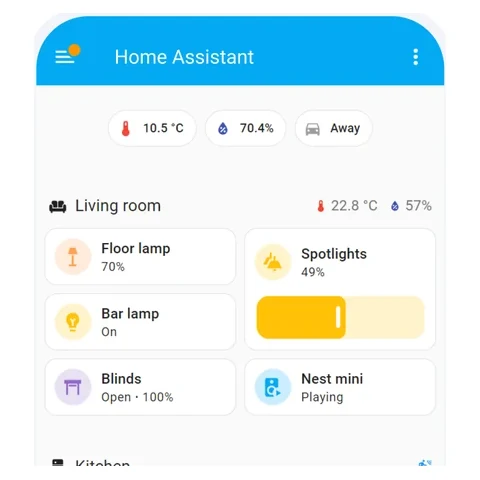
Home Assistant
The brain of my smart home. Open-source, local control, no cloud dependency. Runs all automations, voice control, dashboards, and integrations.
Visit Home Assistant →The sensors, switches, plugs, bulbs, speakers, air purifiers and climate gear running my Home Assistant smart home. Each one is in my house, and each link goes to where you can get it.
As an Amazon Associate I earn from qualifying purchases. This page contains affiliate links — details.
If you are building a smart home in an older house, this is where I would start. All of it runs on Home Assistant, which is free.
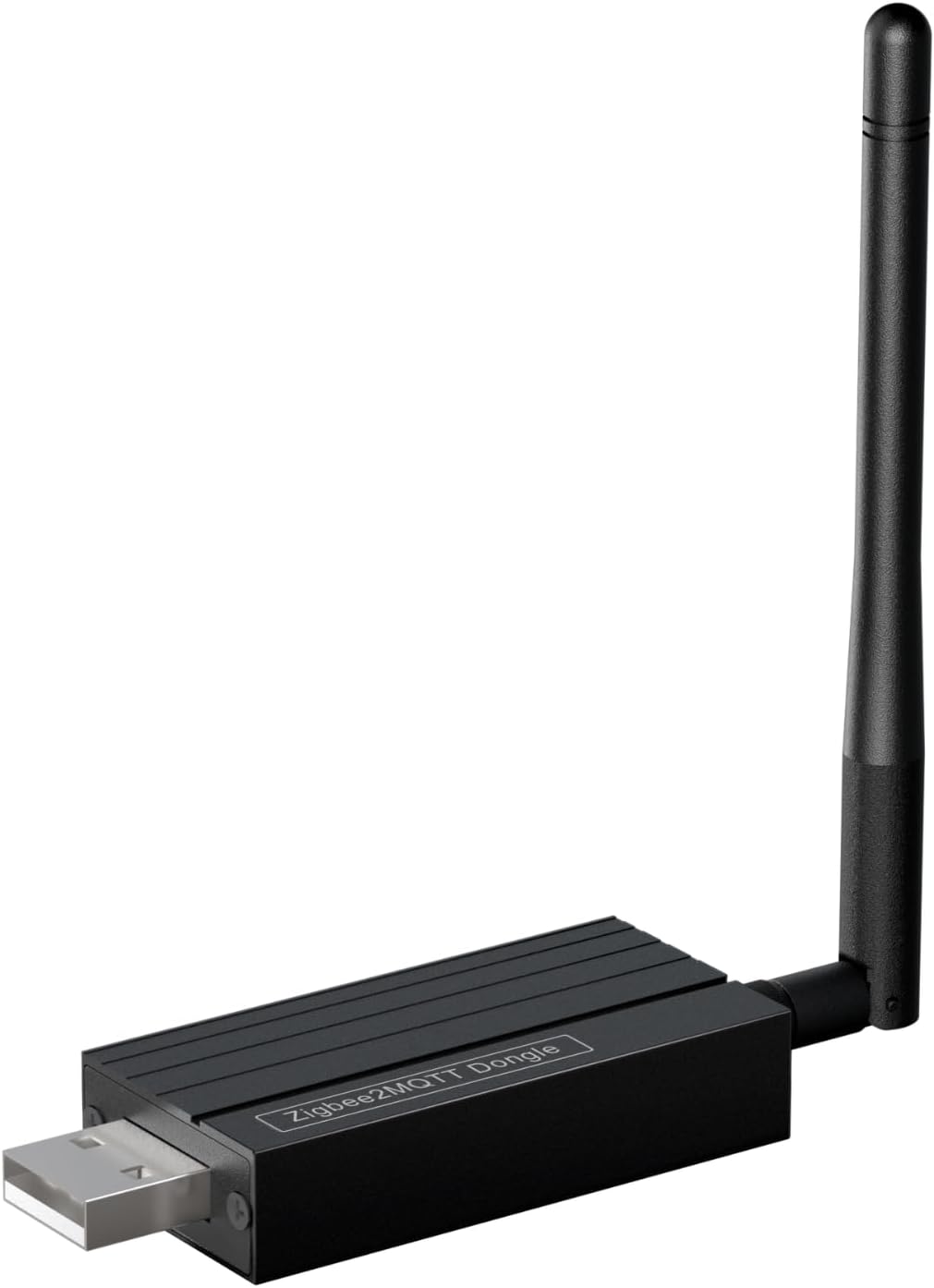 Zigbee dongleOne little dongle plugged into the Home Assistant PC connects all my Zigbee devices.
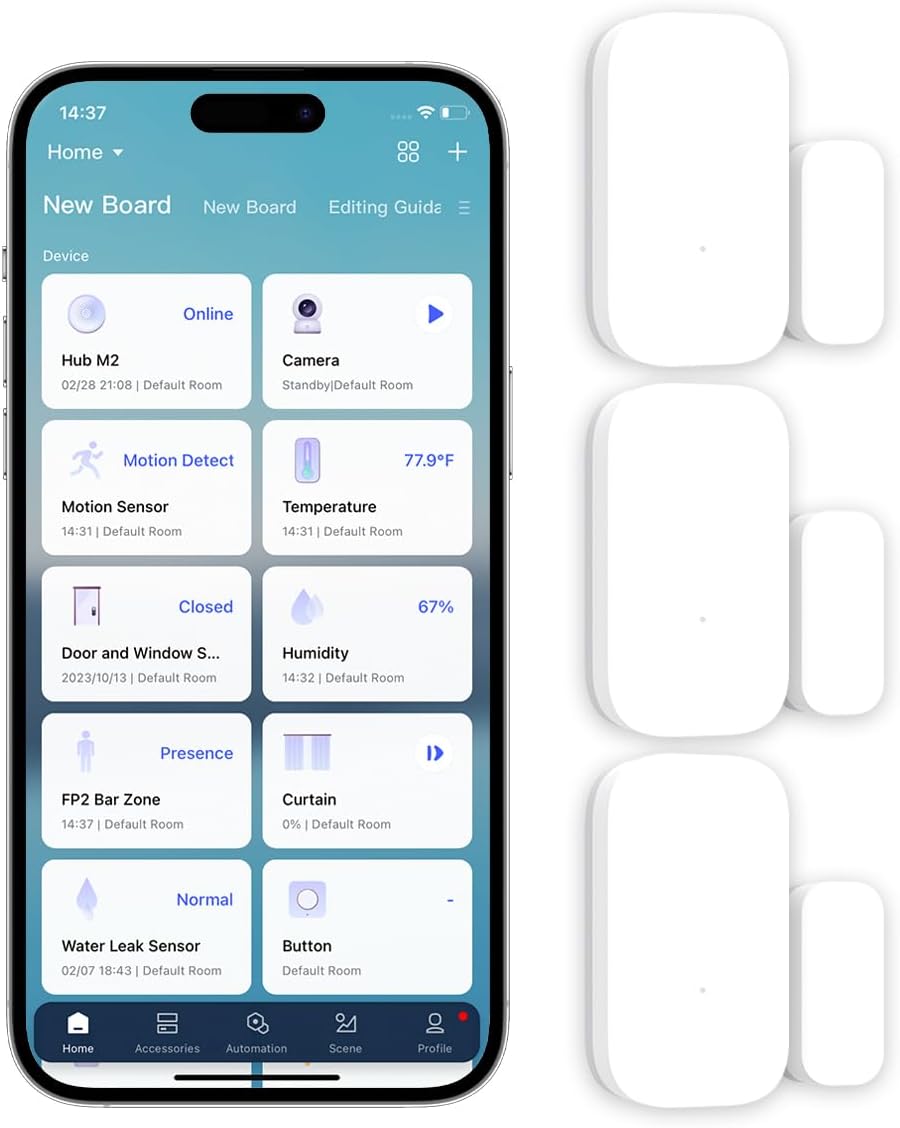 A pack of door sensorsThey can turn on lights as you come in, and every window in my house has one too.
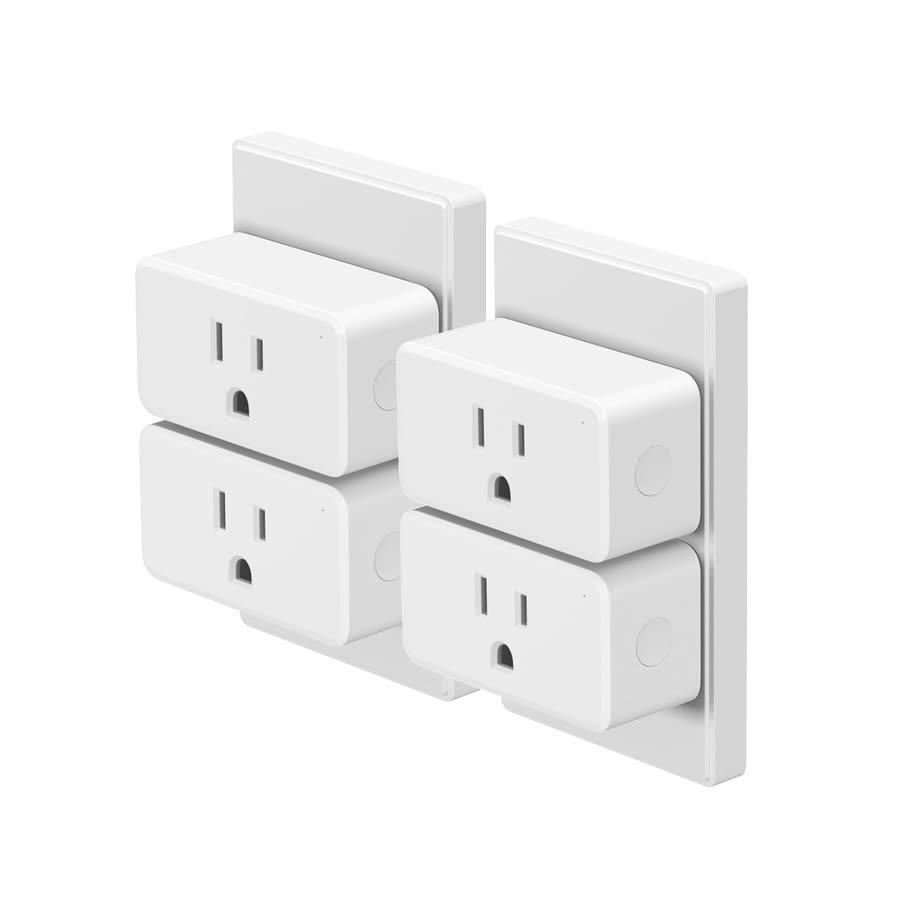 A pack of Zigbee smart plugsSmart plugs also act as routers, so every plug you add makes the network stronger.
Nothing matches that. Try a shorter word, like "plug", "light" or "sensor".
The brain of my smart home. Open-source, local control, no cloud dependency. Runs all automations, voice control, dashboards, and integrations.
Visit Home Assistant →20dBm output with TI CC2652P + CP2102N dual-chip coordinator. Preloaded with Z-Stack 3.x.0 firmware. Plug and play with Home Assistant — this is what connects all my Zigbee devices.
View on Amazon →
Free, open-source software that records my cameras and uses AI to tell people, cars and animals apart, and it sends alerts to Home Assistant. It runs on my own computer, so there is no subscription and nothing goes to a cloud service.
Visit Frigate →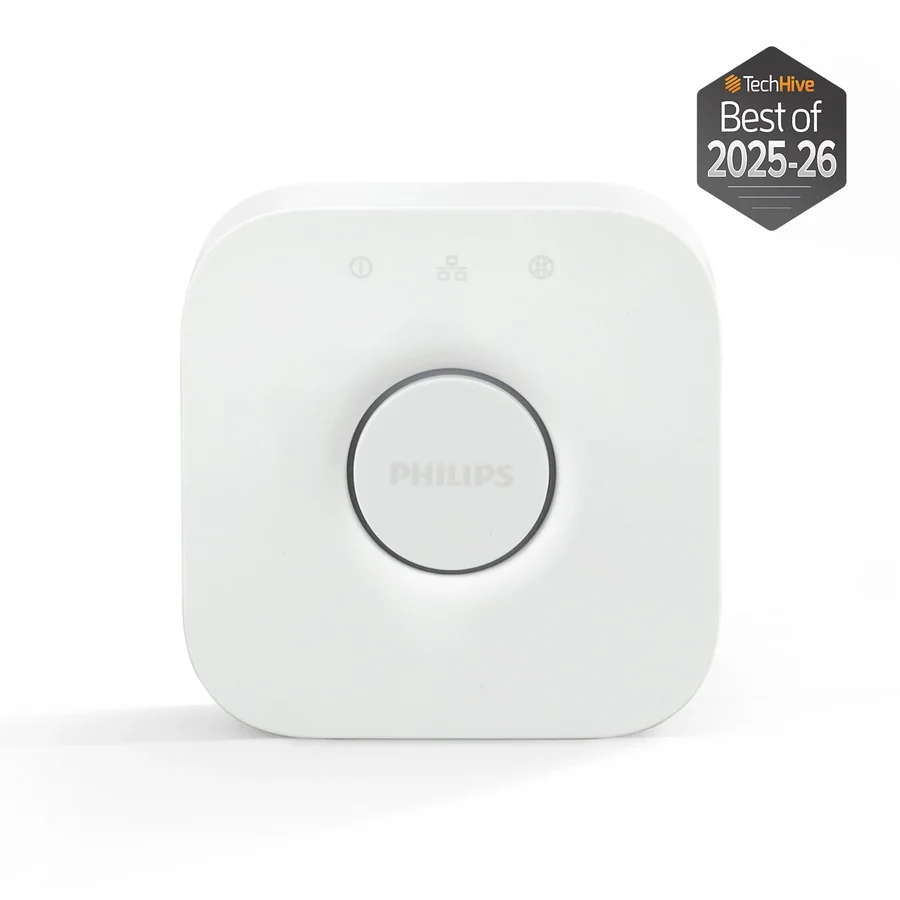
The hub for my Philips Hue lights. It connects to Home Assistant over my network, so every Hue bulb, lamp and dimmer switch in the house works locally with my automations.
View on Amazon →
One of the two battery backups beside my Home Assistant server. Between them they've already gotten me through three real power outages this spring.
View on Amazon →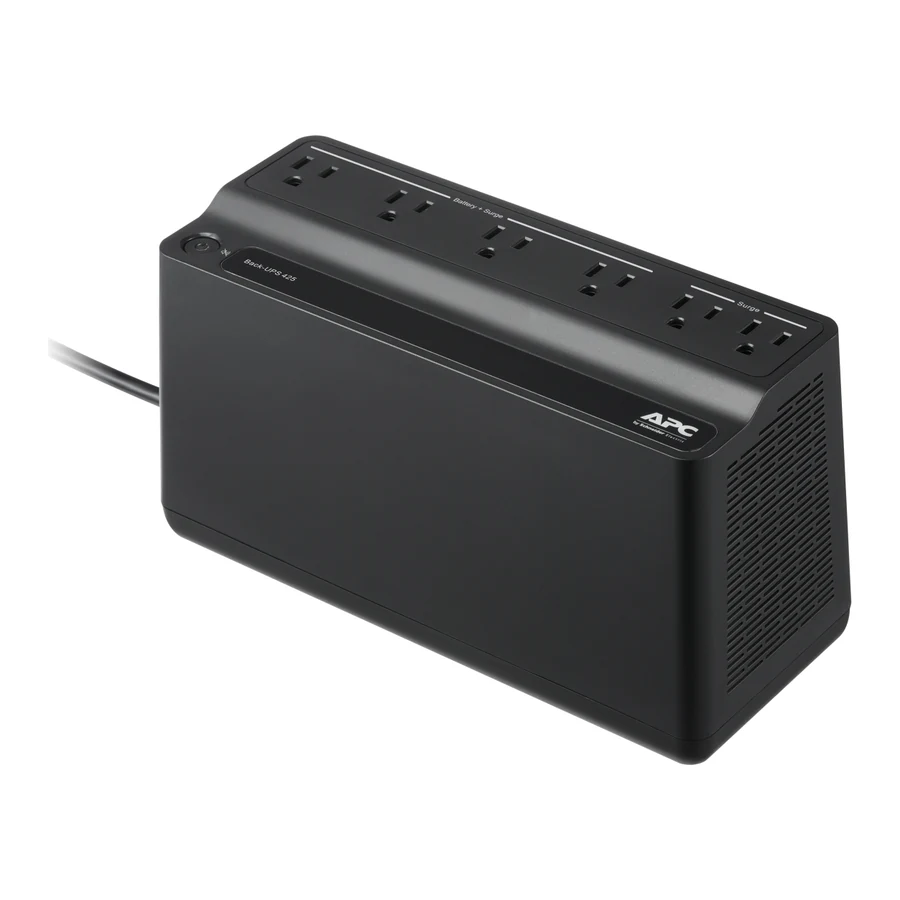
The second battery backup beside my Home Assistant server, a small 425VA unit of the kind that suits a router and other low-power gear. Amazon has several versions, so check that it says 425VA.
Find it on Amazon →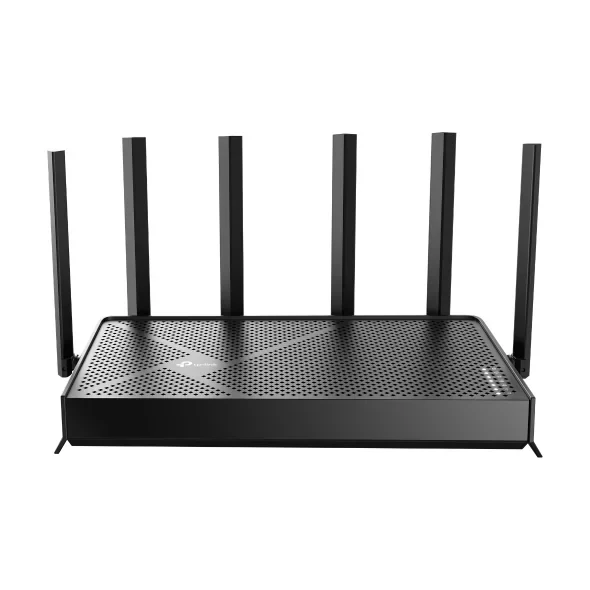
The Wi-Fi router in my dining room, next to the Hue Bridge and the Home Assistant server. TP-Link's Archer line has a model for every budget.
See TP-Link Archer routers →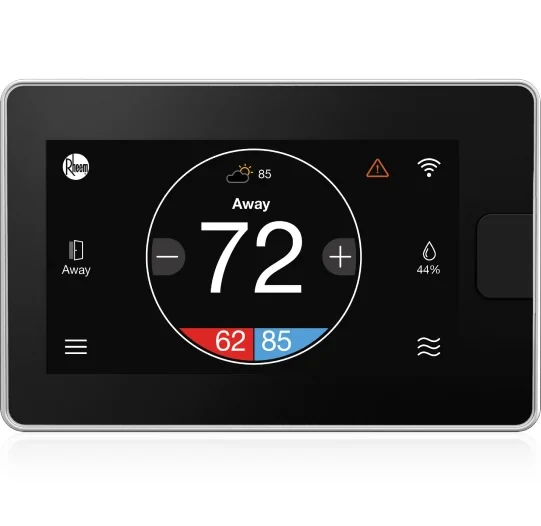
The thermostat that runs the heating and cooling in my house. It works with Home Assistant. It's sold through Rheem and HVAC dealers rather than Amazon.
Visit Rheem EcoNet →Wireless Zigbee contact sensor. Triggers automations when doors or windows open — lights, notifications, alarm system. Tiny and reliable.
View on Amazon →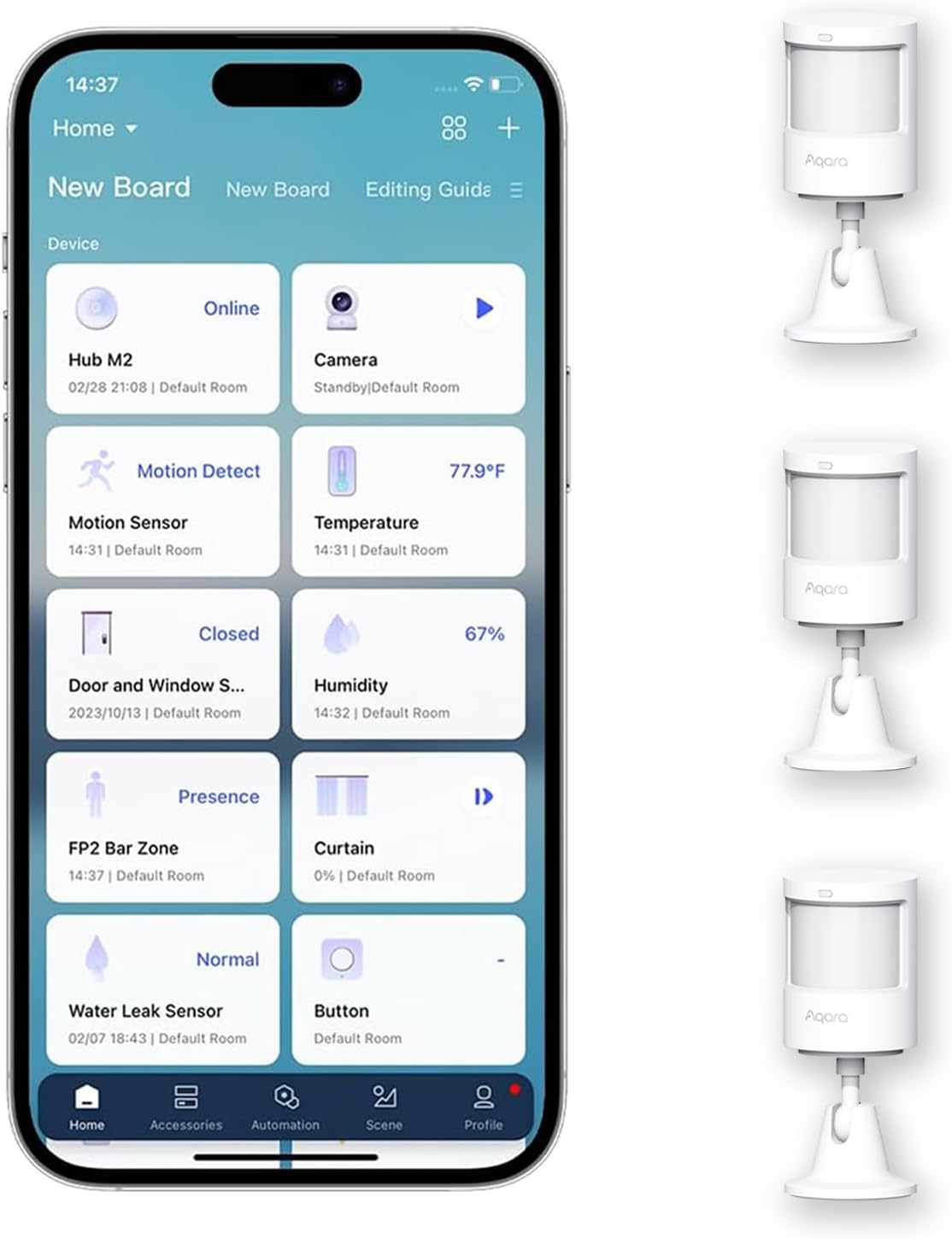
Zigbee motion detector for automations and alarm systems. 5-year battery life. I have these throughout the house for lighting automations and presence detection.
View on Amazon →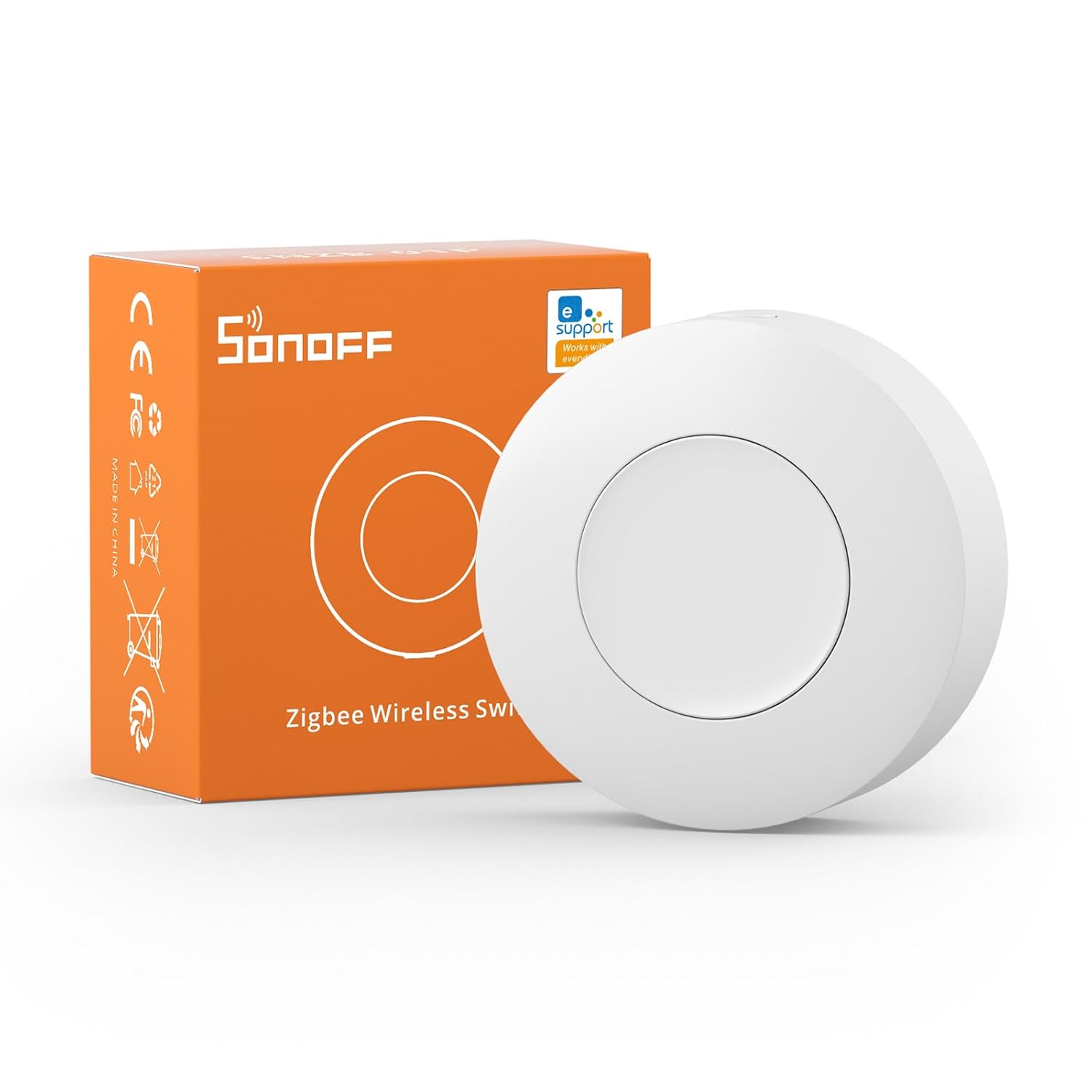
Small Zigbee wireless button for Home Assistant automations. I use these for simple room controls with single press, double press, and long press actions.
View on Amazon →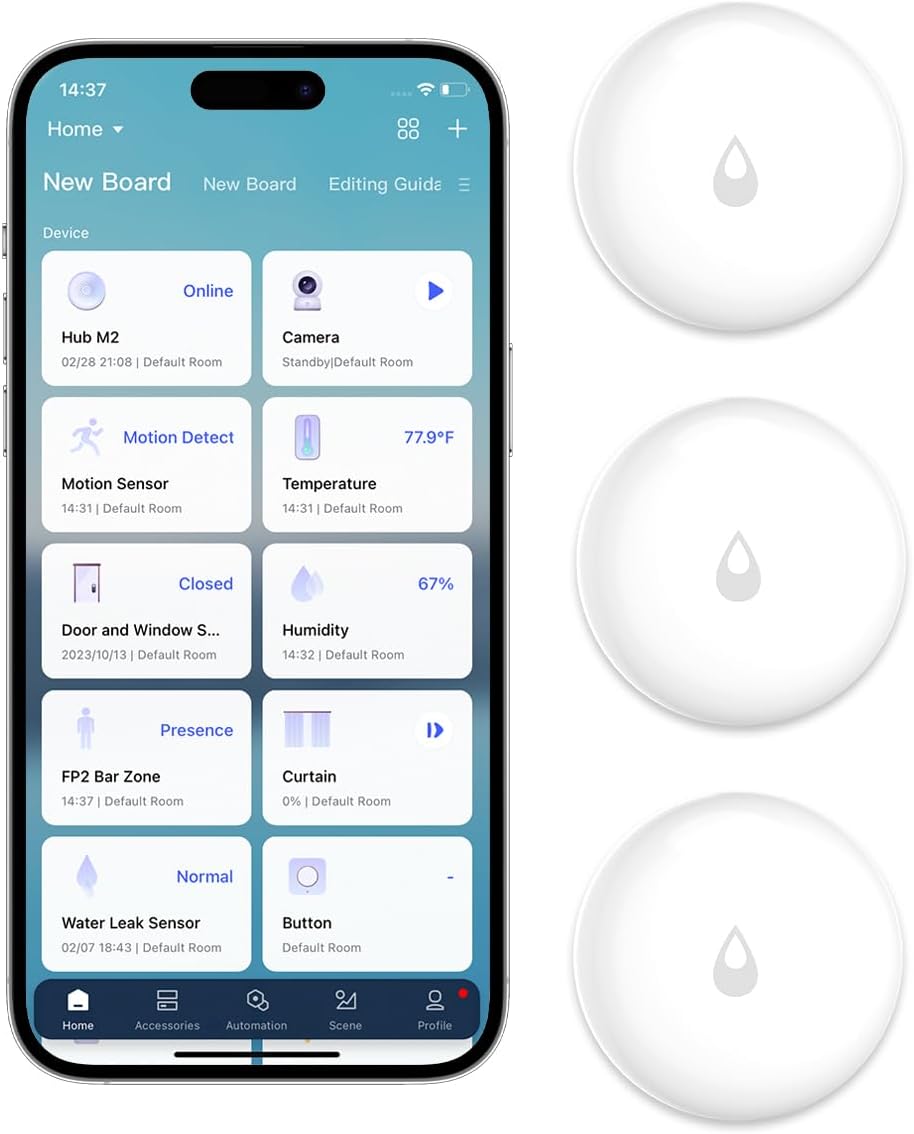
Zigbee water leak detector. Placed under sinks, washing machine, and water heater. Instant phone alerts if water is detected.
View on Amazon →
Comprehensive air quality monitor — CO2, VOCs, radon, humidity, temperature, and pressure. Integrated into Home Assistant for automated ventilation.
View on Amazon →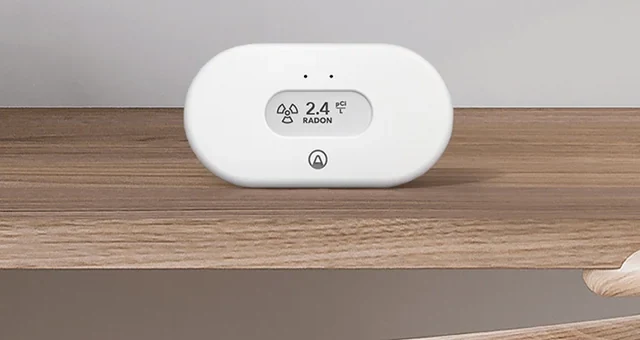
The radon sensor in my basement, and my best one. Since I installed the ERV, my average basement radon dropped about 40%, from 92 to 56 Bq/m³ in this sensor's readings. Wi-Fi, battery powered, with a built-in display.
View on Amazon →15A Zigbee plugs with real-time energy monitoring. I use these to track power consumption on workshop tools and automate devices through Home Assistant.
View on Amazon →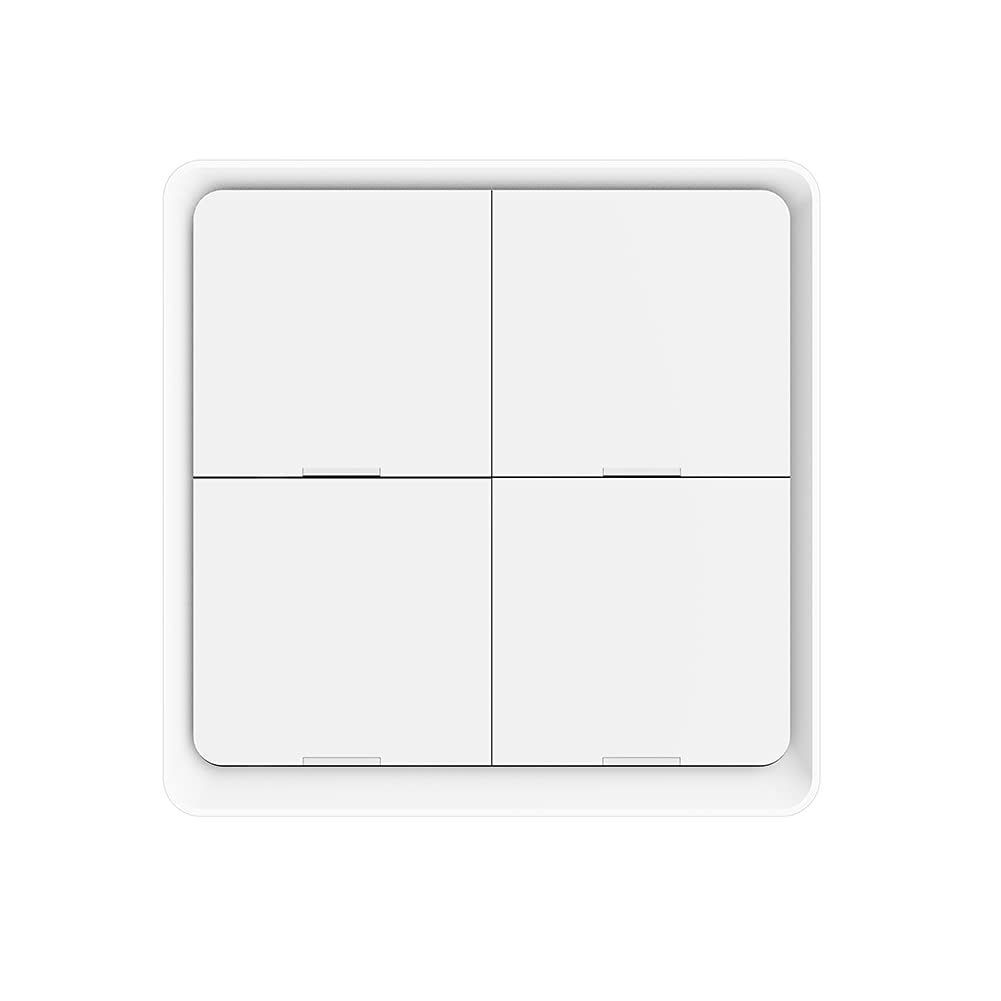
Battery-powered 4-button Zigbee scene switch for Home Assistant automations. I use this style for quick room controls without opening a dashboard.
View on Amazon →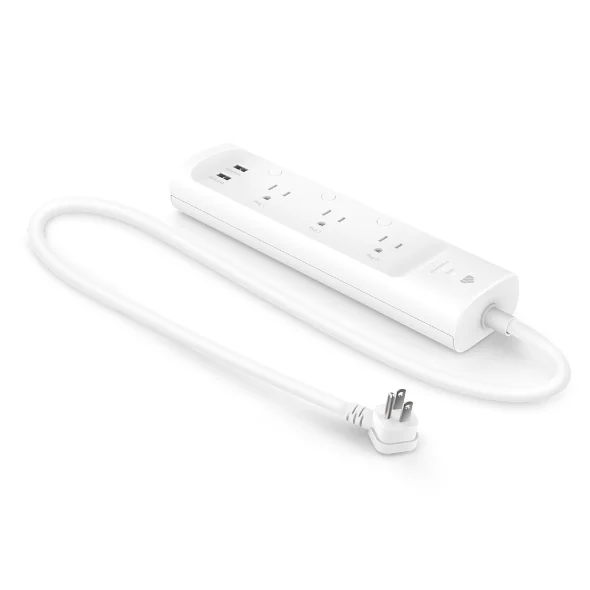
A Wi-Fi power strip with three individually controlled outlets. Mine sits on the kitchen counter and one outlet powers the kitchen tablet.
View on Amazon →
A compact Wi-Fi plug with energy monitoring. One runs my 3D printer and another runs an air purifier in the attic.
View on Amazon →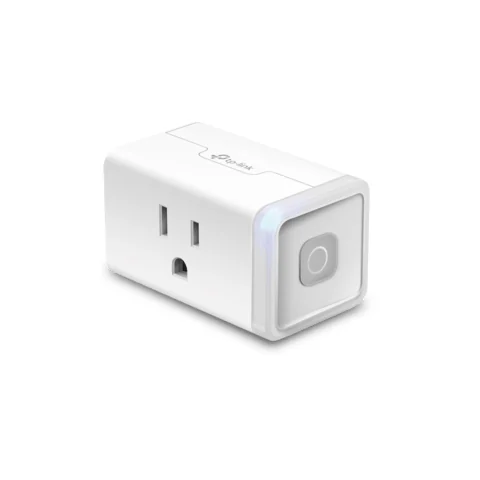
A basic Wi-Fi smart plug. Mine run an attic fan and a purifier. It's Wi-Fi, so for anything new I'd buy Zigbee plugs instead.
View on Amazon →
Single pole WiFi switch. No hub required, works with Home Assistant, Alexa, and Google. Reliable and easy to install — needs neutral wire.
View on Amazon →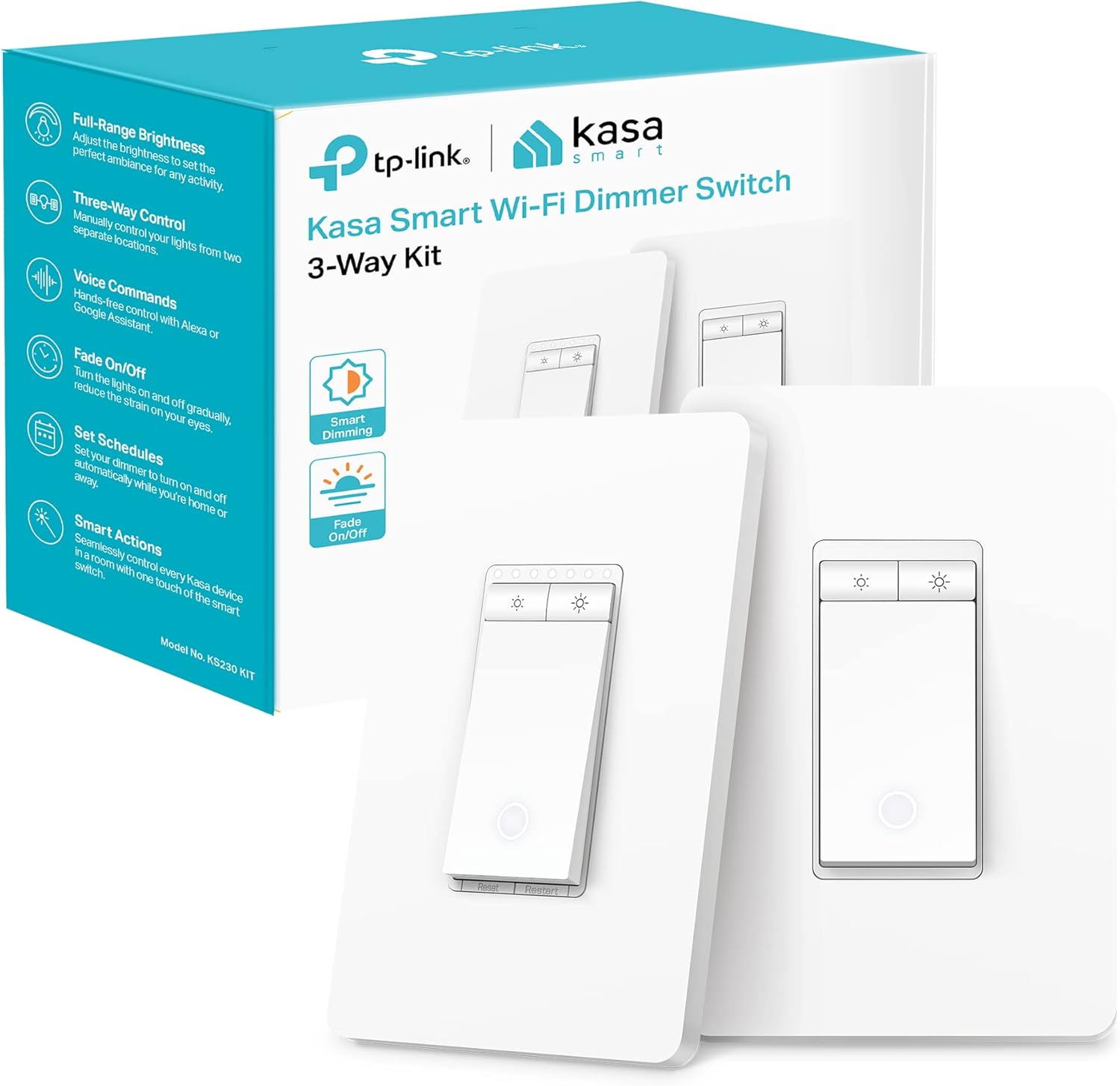
Two switches in one box. WiFi, no hub needed. Controls two separate lights from one switch plate. Great for rooms with multiple light circuits.
View on Amazon →
Full-colour Zigbee bulbs I run in sets around the house. They are always powered, so they also act as routers and strengthen the Zigbee mesh.
View on Amazon →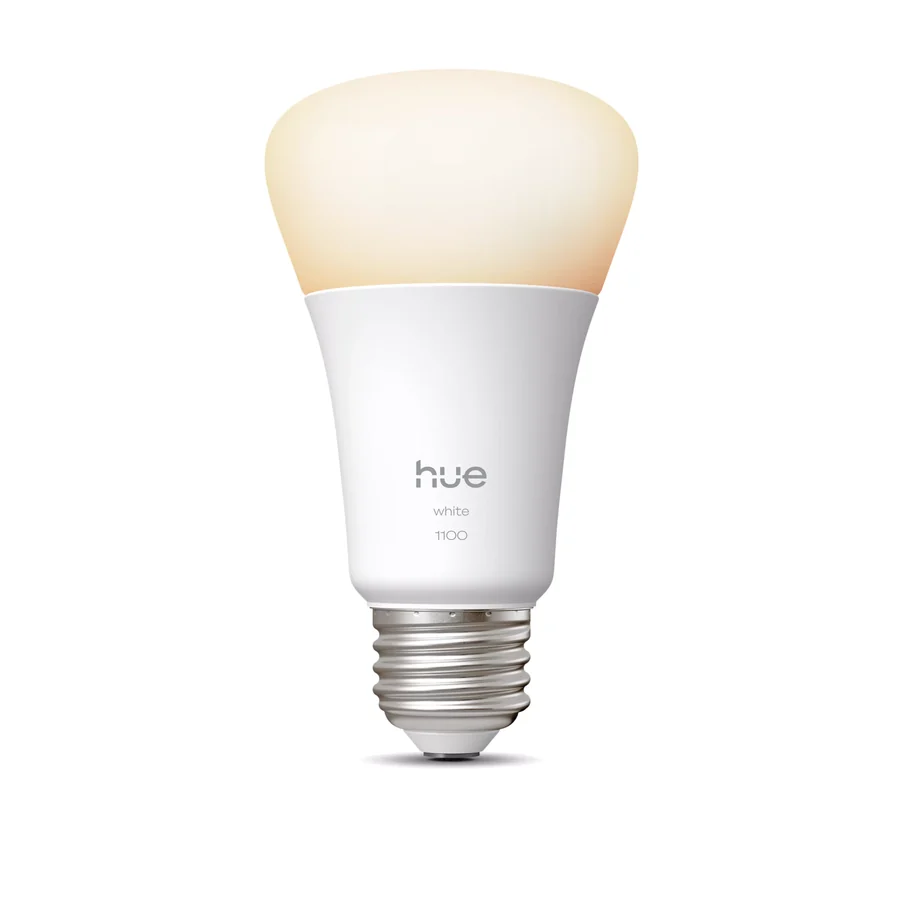
The Hue white bulbs in my lamps and fixtures. They all run through the Hue Bridge, so Home Assistant controls them locally.
View on Amazon →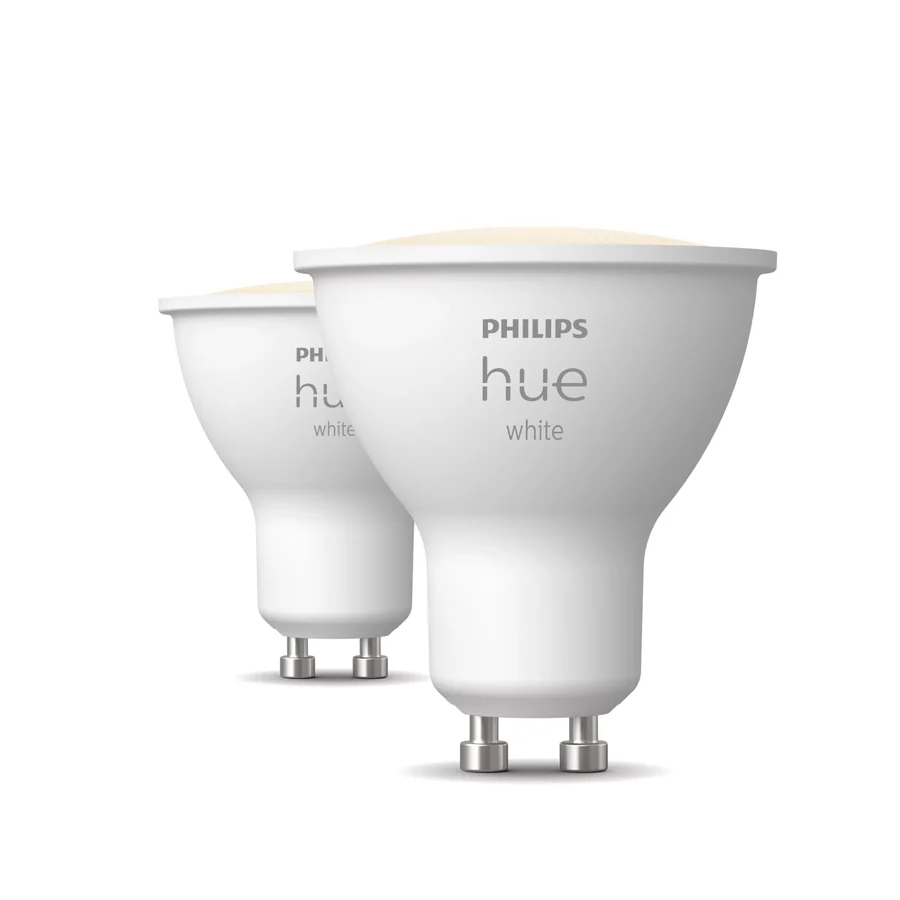
The Hue spotlights I use in the attic and the den. Same Hue Bridge, same local control as the rest of my Hue lights.
View on Amazon →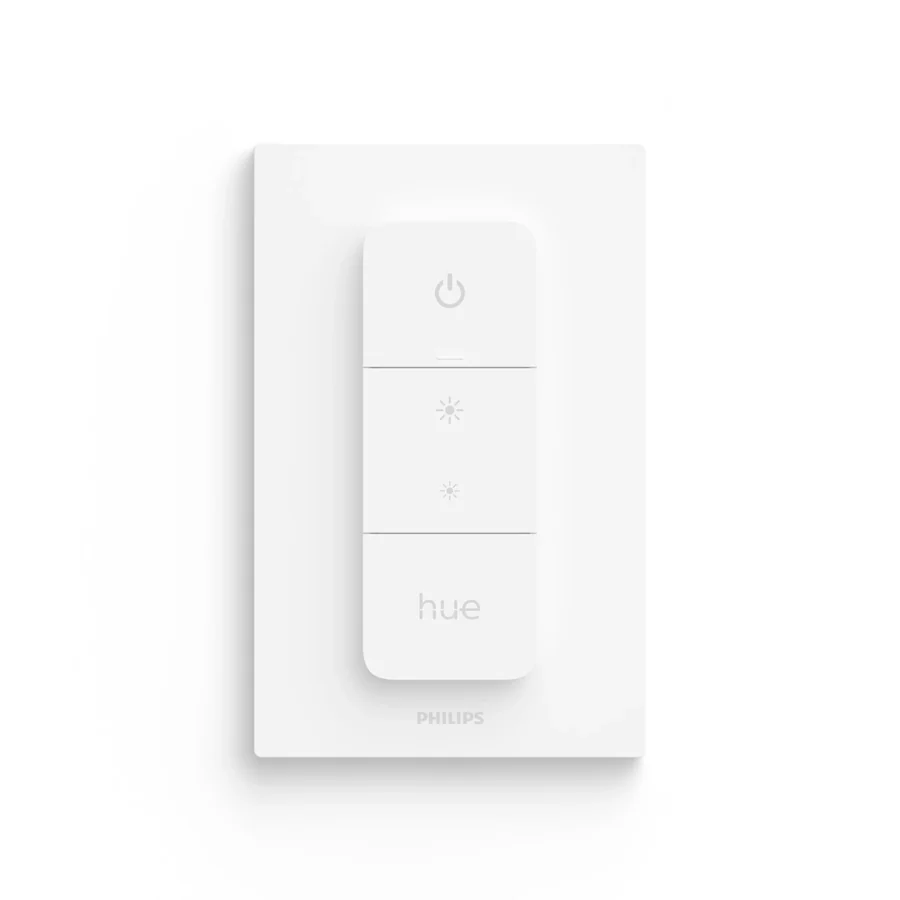
A small wireless dimmer that works with the Hue Bridge. Mine sits by my daughter's door and controls the ceiling light.
Find it on Amazon →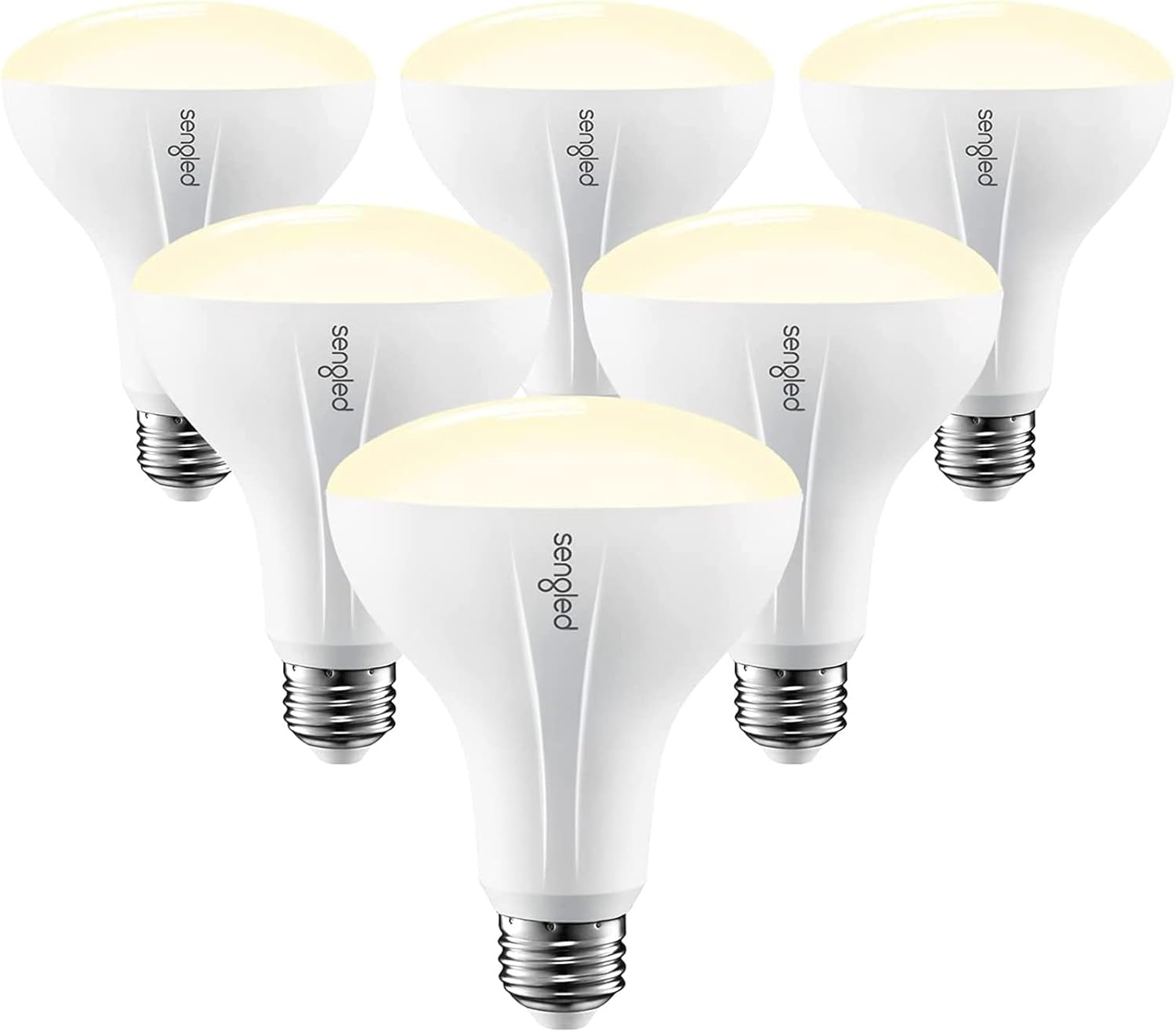
BR30 dimmable flood light, soft white 2700K. Zigbee so they run locally through Home Assistant — no cloud, no lag. My go-to for recessed lighting.
View on Amazon →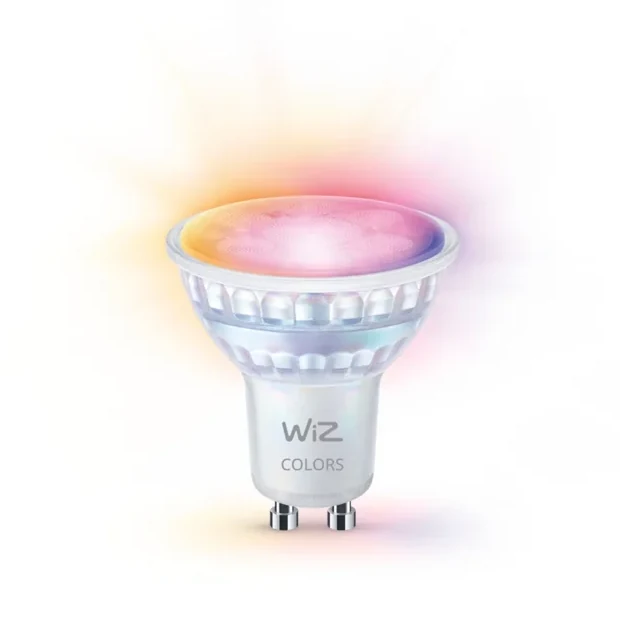
The seven spot lights in my kitchen, each one controlled on its own. They're Wi-Fi, so anything new I buy is Zigbee, but they've been great in the kitchen.
Find it on Amazon →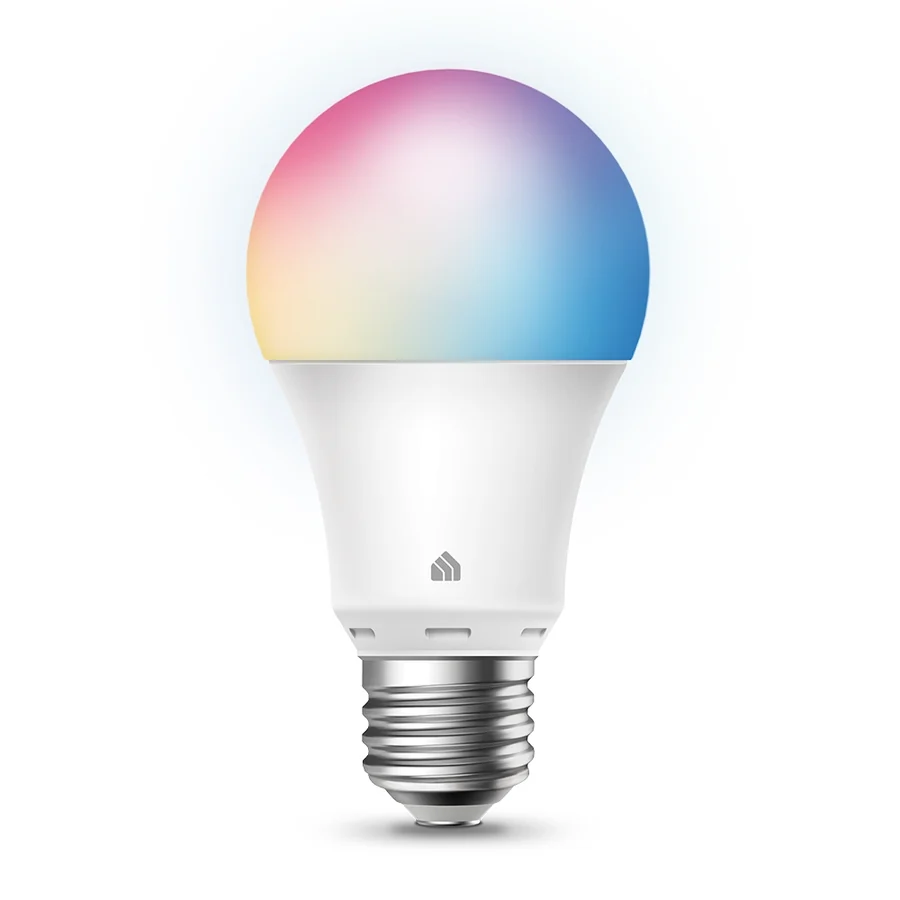
A color-changing Wi-Fi bulb I use in the attic and a few other spots. It works, but it's Wi-Fi, and some of my older Wi-Fi bulbs have given up, so anything new I buy is Zigbee.
View on Amazon →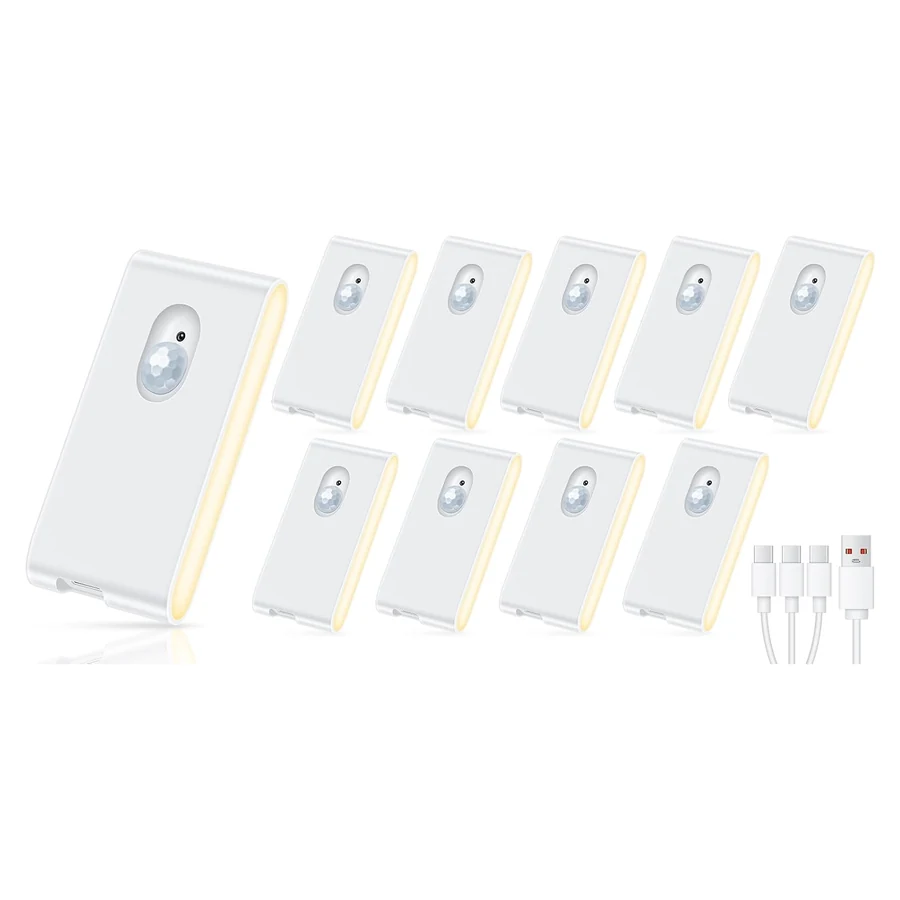
Wireless rechargeable motion-activated night lights. Warm white, perfect for hallways, stairs, bathrooms, and closets. No smart home integration needed — just stick them up.
View on Amazon →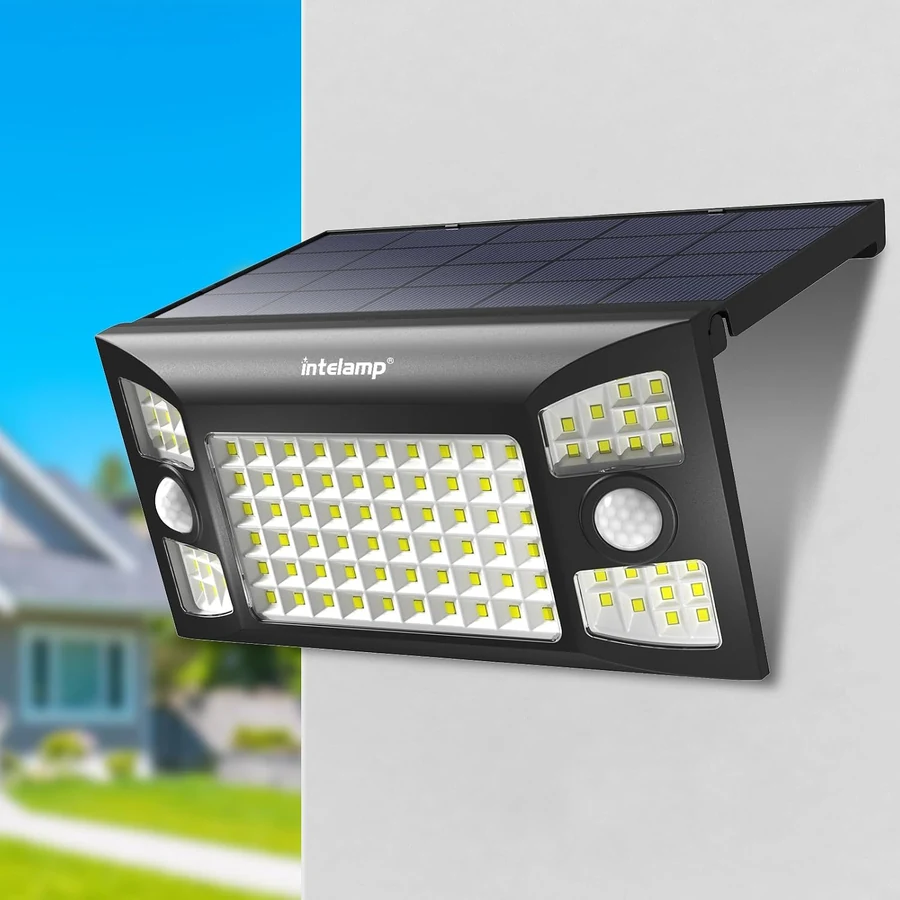
Two of these light up my driveway: one on the side of the house halfway down the driveway, and one on a 10 ft post in the middle of the fence at the end of the driveway, aimed back at the driveway. There is no wiring: the panel on top charges the battery and the built-in motion sensor switches the light on. They are not smart-home devices, they just work on their own.
View on Amazon →
Home Assistant's own local voice speaker. I have three: attic office, living room and workshop. Order it from the Home Assistant store.
Visit Home Assistant →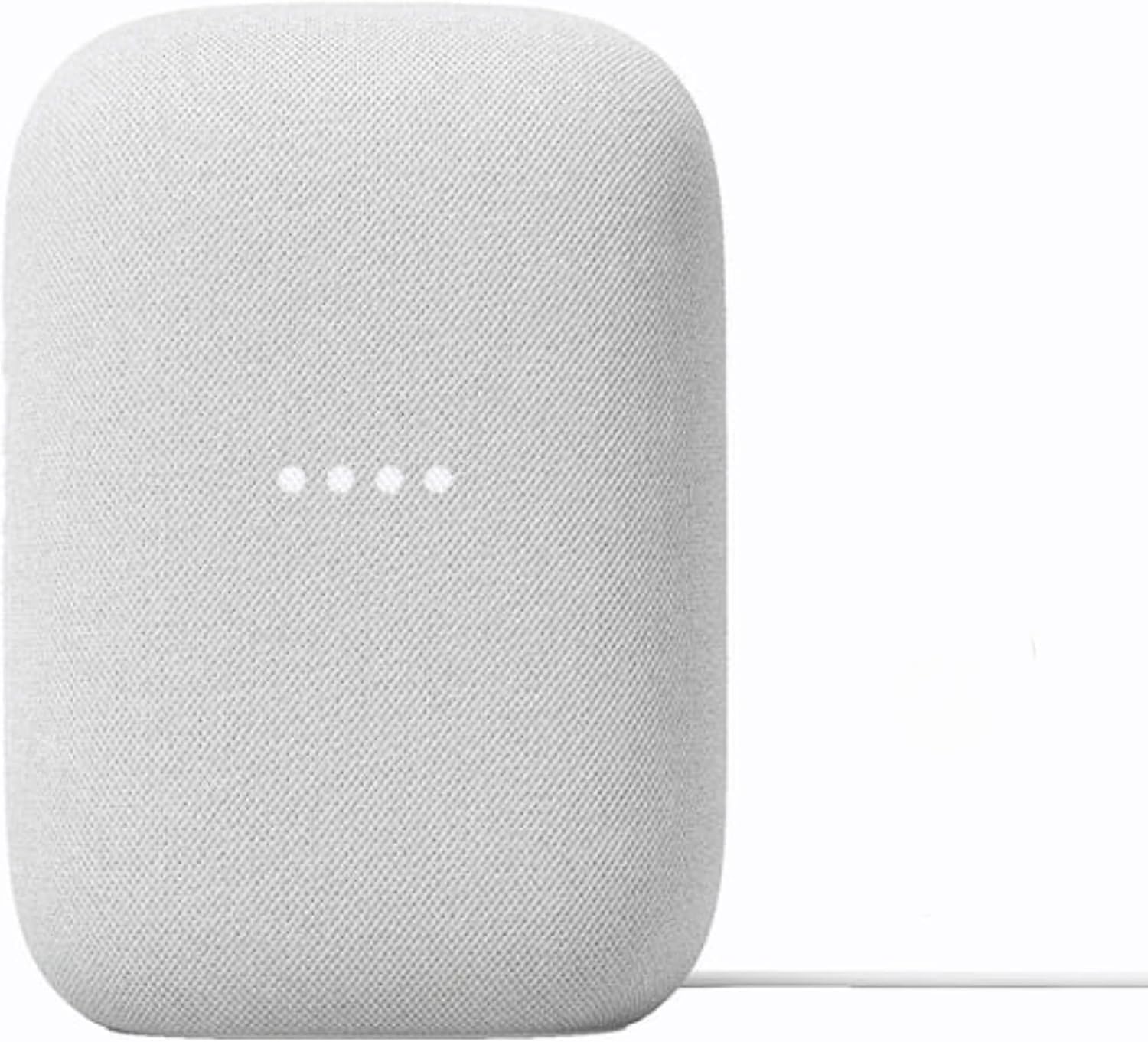
Google Assistant smart speaker. Great sound quality, works with Home Assistant through the Google Home integration. In every room for voice control and music.
View on Amazon →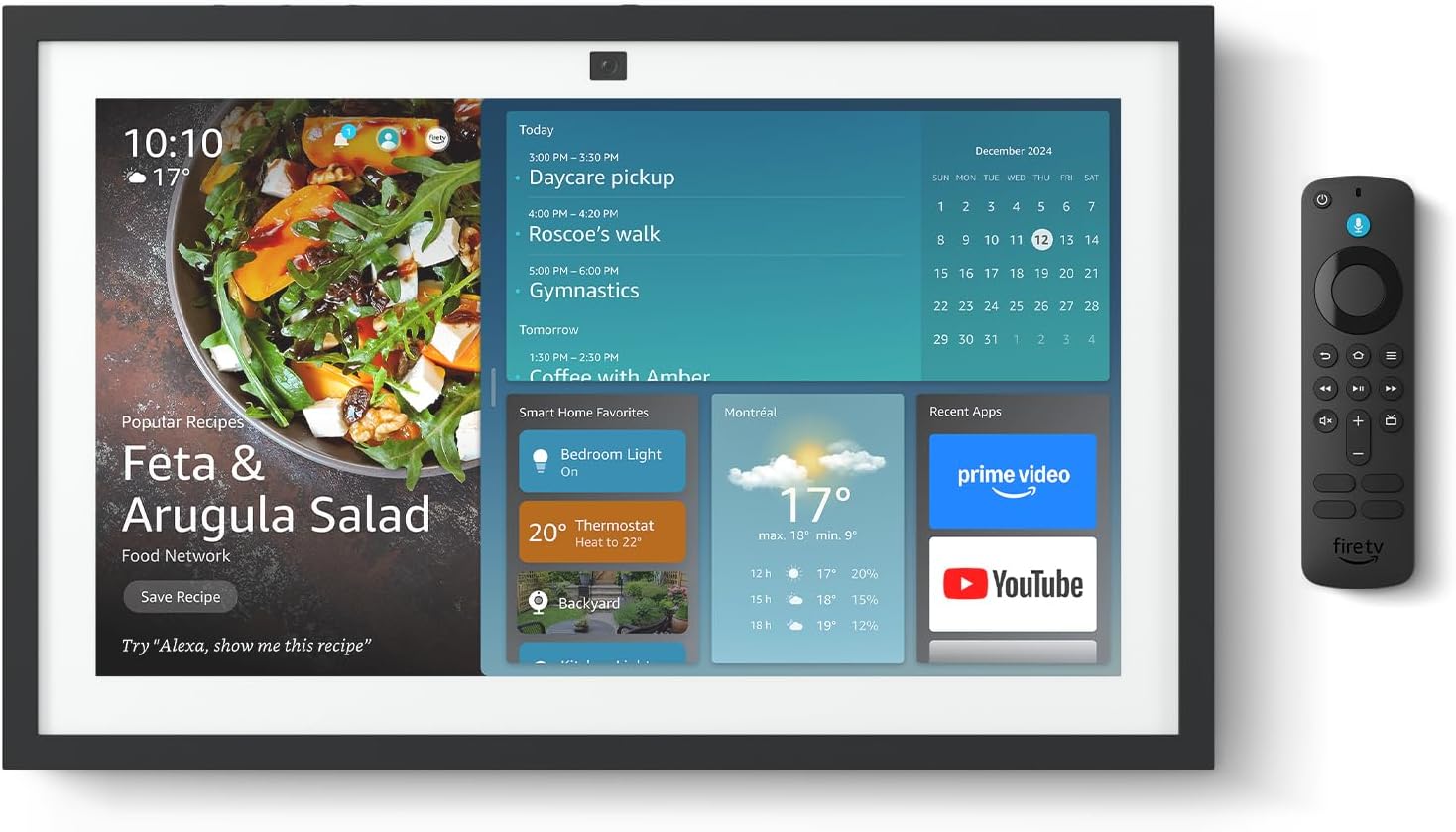
Smart display with Alexa. I use these for voice control throughout the house, viewing Home Assistant dashboards, video calls, and smart home camera feeds.
View on Amazon →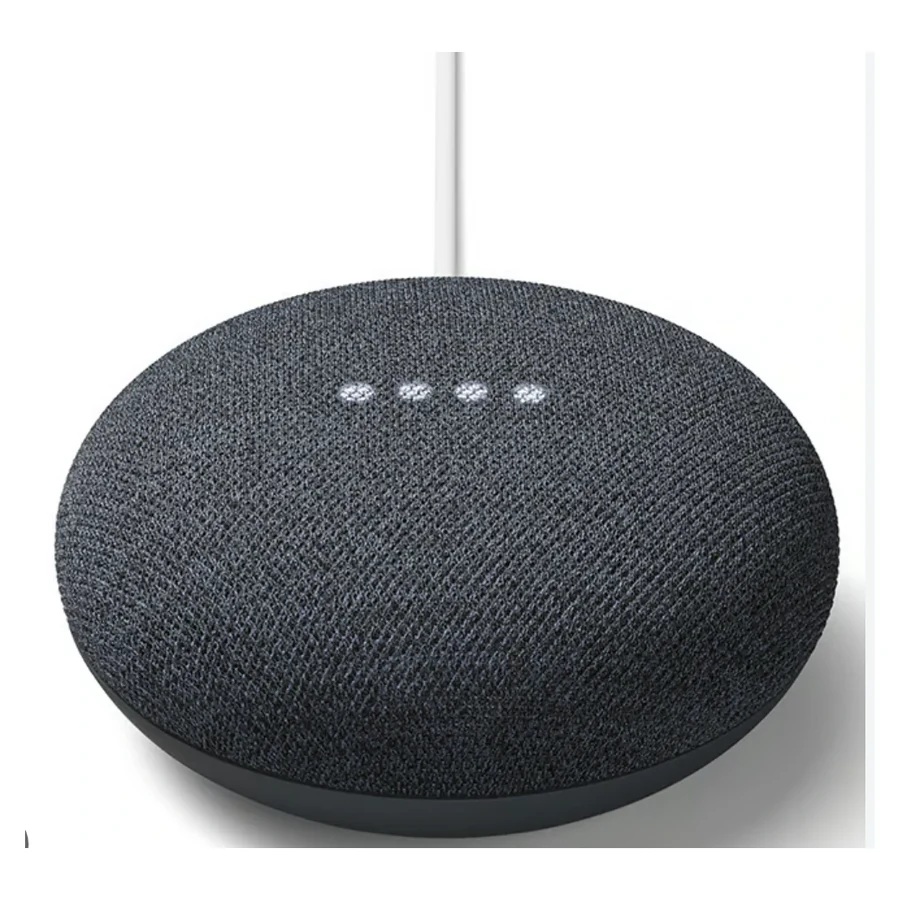
The small Google speaker. I still use my Google speakers for broadcasting, for talking to Google's AI, and for playing alerts. In a big house it's really useful for talking to people in other rooms and on other floors.
View on Amazon →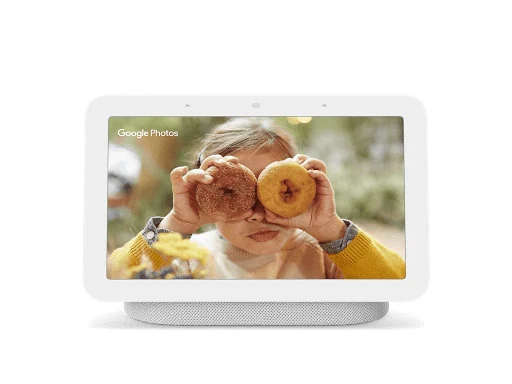
A Google smart display. Mine sits on the desk in the den, next to an Airthings sensor and a Home Assistant Voice speaker.
Find it on Amazon →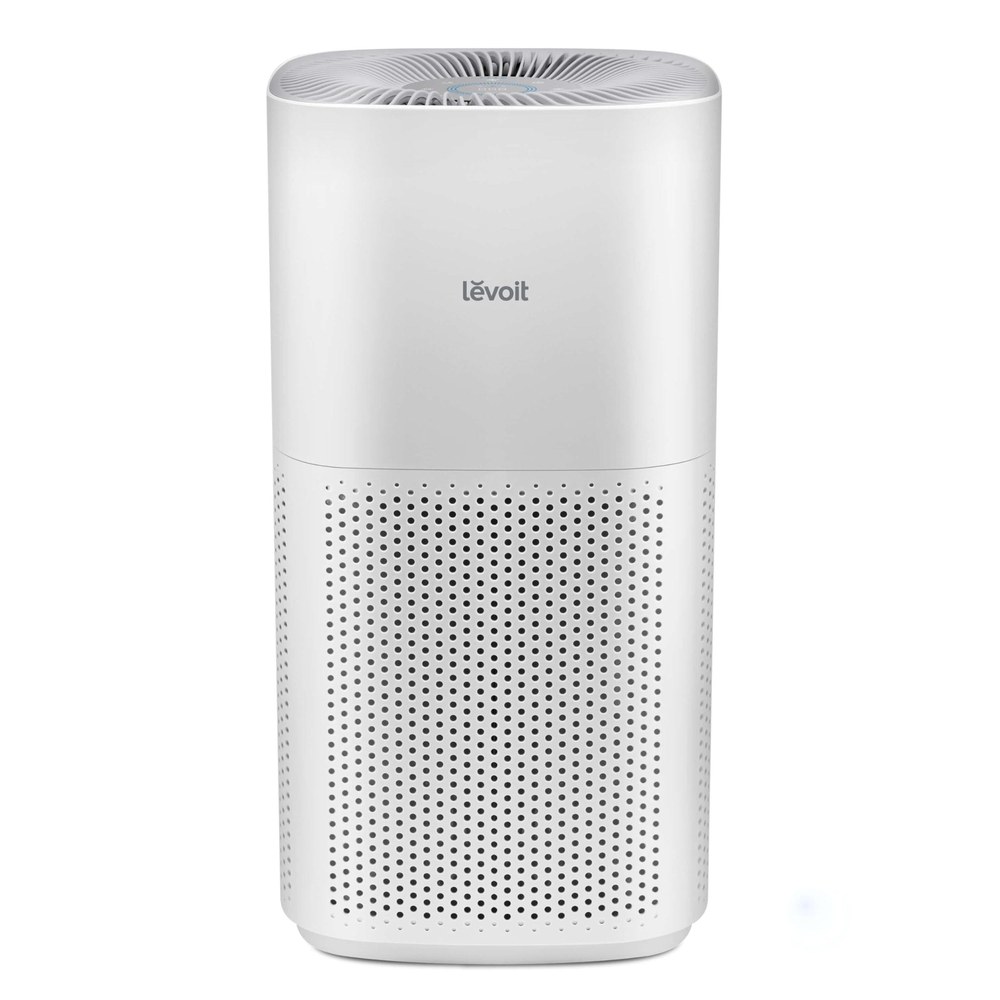
The big one, made for large rooms, with a built-in air quality sensor. This is the purifier in my living room, controlled from Home Assistant through the VeSync integration.
View on Amazon →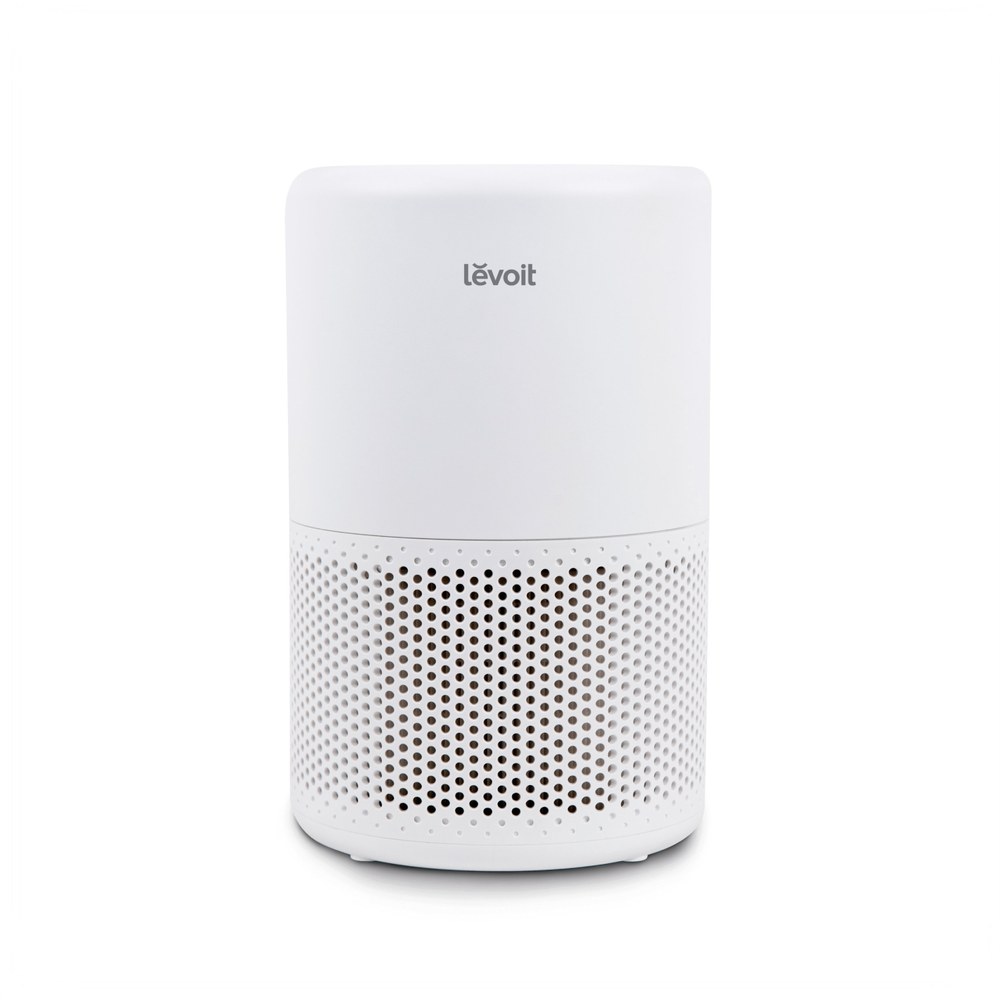
Compact Wi-Fi air purifier with a HEPA filter, sized for bedrooms. It shows up in Home Assistant through the VeSync integration, so I can control it from my dashboard and automations. I run one in a bedroom.
View on Amazon →
Wi-Fi purifier with an air quality monitor, a washable pre-filter, and a U-shaped inlet that catches pet hair. Also controlled through the VeSync integration in Home Assistant. This is the one in my den. It replaced an older purifier I ran on a smart plug, and it is much better.
View on Amazon →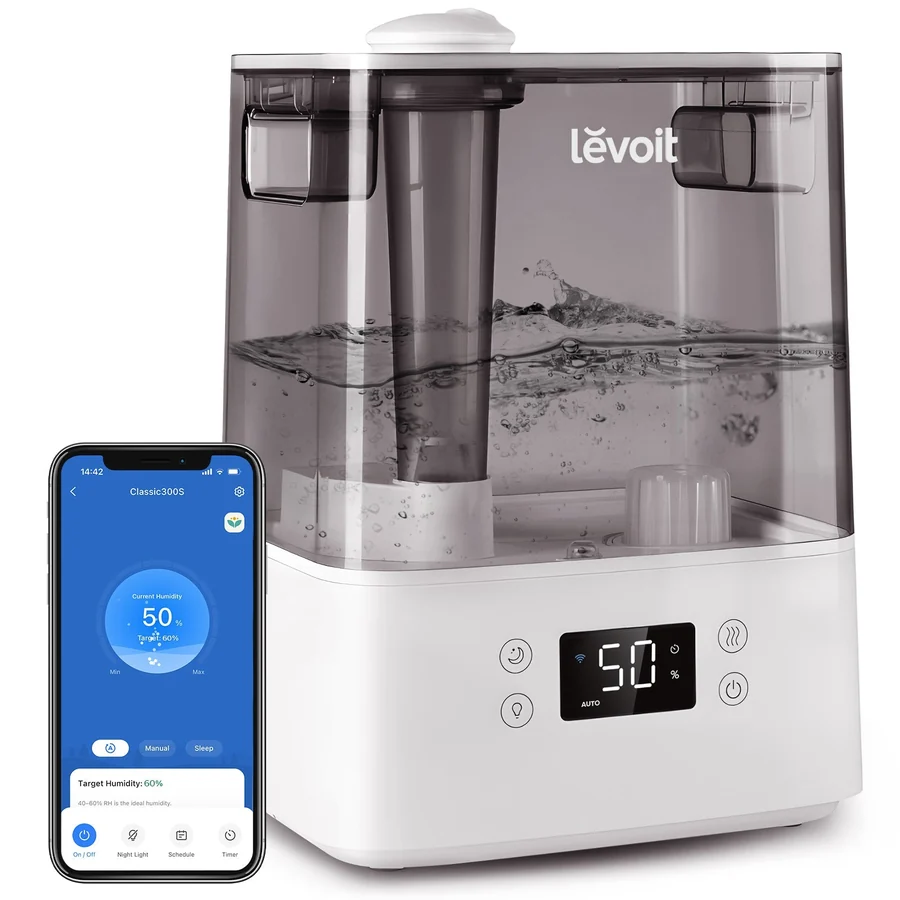
A smart top-fill humidifier with a 6 L tank. Mine runs in my daughter's room, and it works with Home Assistant through the VeSync app.
View on Amazon →
Not smart, but it works well. There is no Wi-Fi or app, just a humidity dial and a fan-speed dial, so it does not show up in Home Assistant. It holds 4 gallons and Vornado rates it for up to 1,000 square feet. This is the humidifier in my living room, and I have used it since December 2022.
View on Amazon →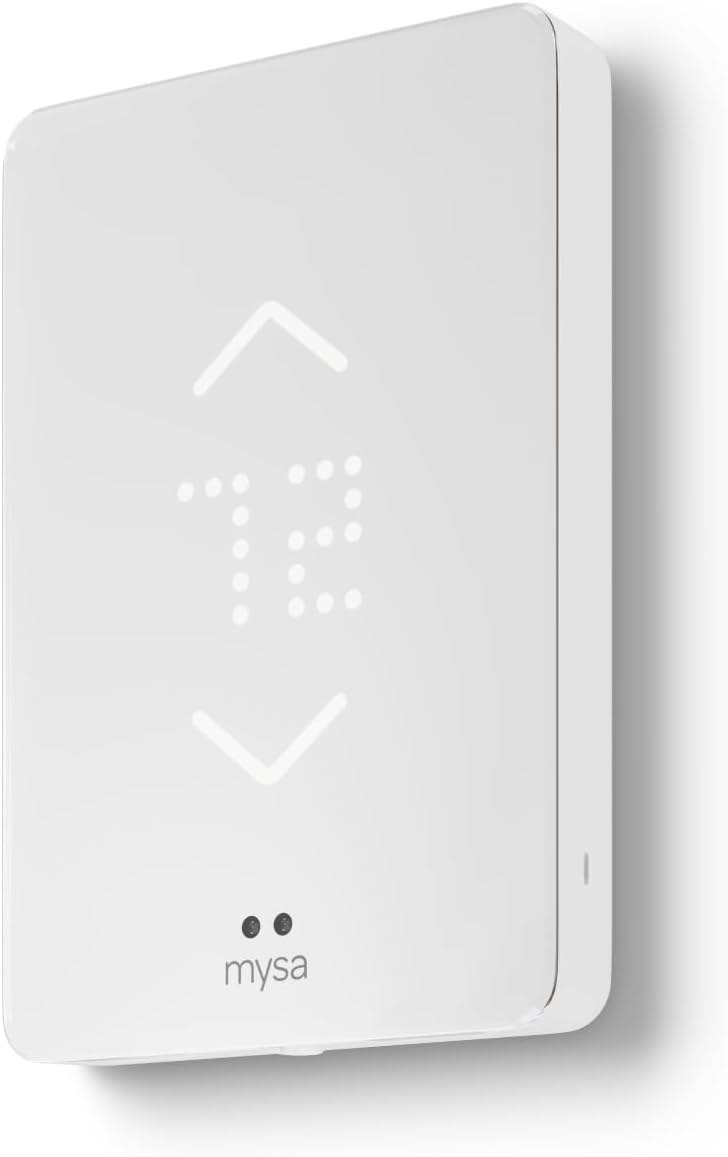
Wi-Fi thermostat for electric baseboard heaters, 120V or 240V, with a touch display and a built-in humidity sensor. Works with Apple Home, Alexa and Google, with no monthly fee. It needs a neutral or second live wire, so check your wiring first, and hire an electrician if you are not comfortable with line-voltage work.
View on Amazon →
The reason I started all of this. Mine is a vänEE V210E75RS, a Canadian model, and the closest US equivalent is Broan-NuTone's AI Series B210E75RS, a 210 CFM energy recovery ventilator with side ports. It goes into your ductwork, so talk to an HVAC pro. It's sold through HVAC suppliers rather than Amazon.
See the Broan-NuTone ERV →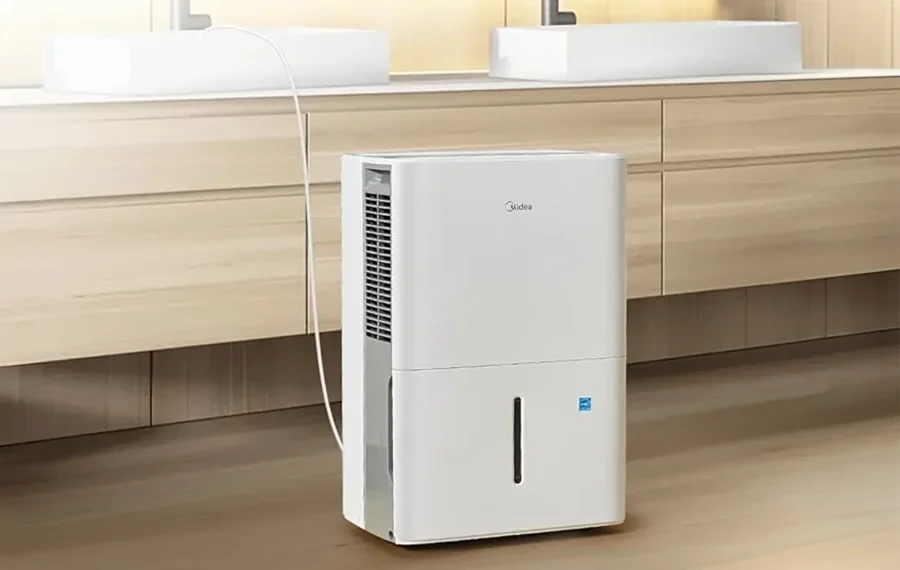
The Midea 50-pint Wi-Fi dehumidifier with the built-in pump. Mine stands beside the utility sink in the laundry room and the pump sends the water straight into the sink, so there is never a bucket to empty. Home Assistant can see and control it.
View on Amazon →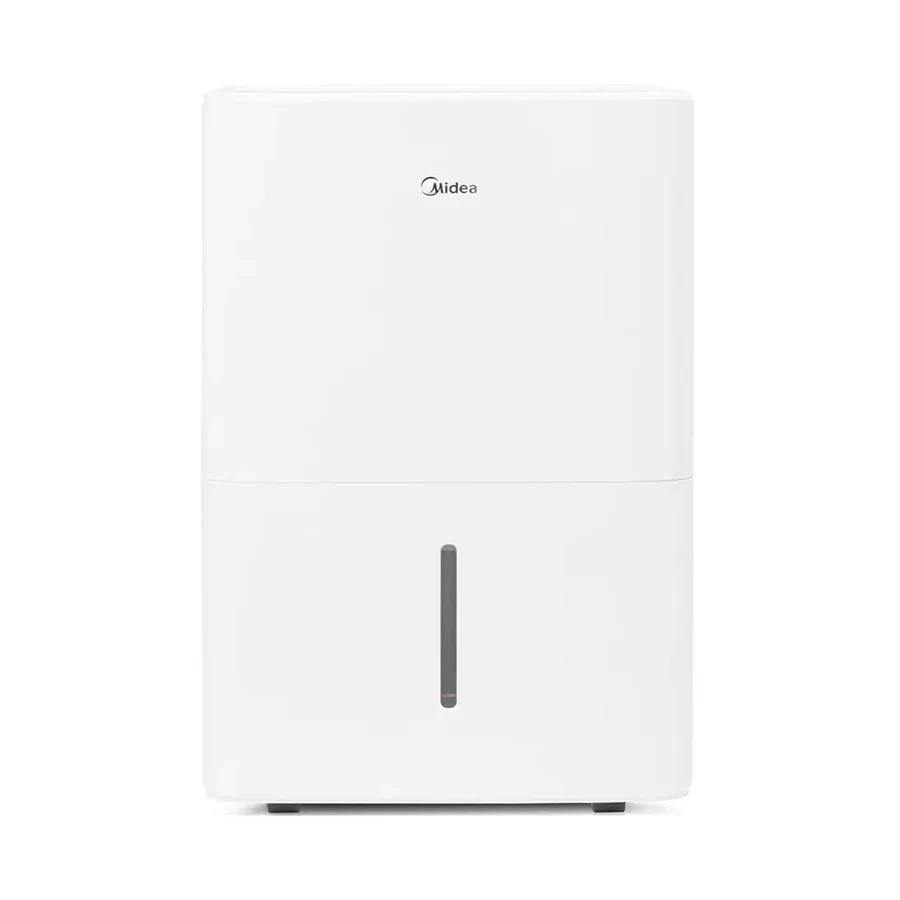
The same Midea 50-pint Wi-Fi dehumidifier without the pump: it collects the water in a bucket that you empty. Mine runs in the craft room. Home Assistant can see and control it.
View on Amazon →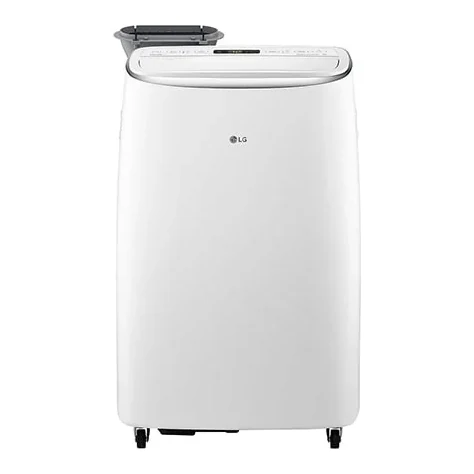
My portable air conditioners are LG ThinQ models, so Home Assistant can control them. A portable unit vents out the window, which is how it works in the den.
View on Amazon →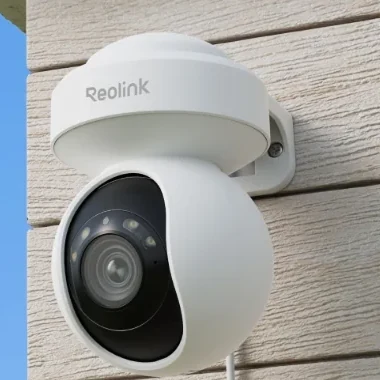
A 4K Wi-Fi 6 pan-and-tilt camera with auto tracking and color night vision. It works with Frigate, so my recordings stay on my own computer and there is no subscription. I keep my camera locations private, but this is one of the cameras watching the property.
View on Amazon →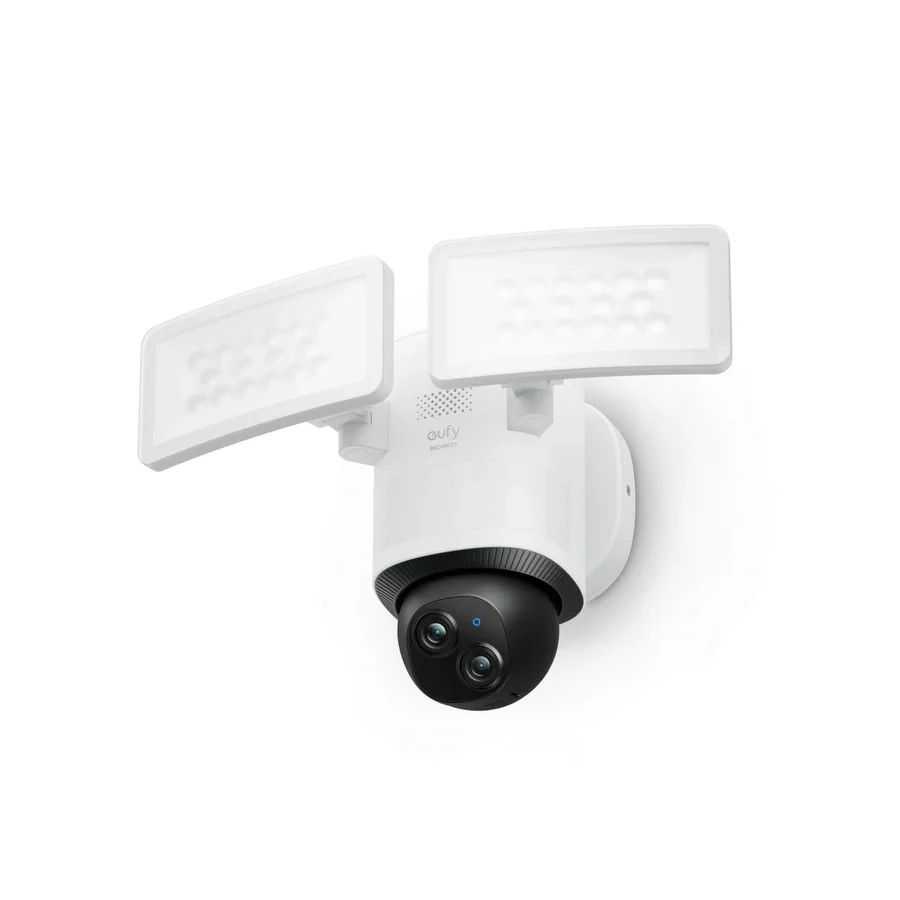
A floodlight camera with two lenses: one wide fixed view and one that pans and tilts to follow movement, plus a very bright light that turns on with motion. It is another of the cameras on the property, and Frigate records it too.
View on Amazon →
A small, cheap 1080p Wi-Fi camera with night vision, two-way audio and microSD recording. It also supports RTSP and ONVIF, which is what lets it work with Frigate, so it is a budget way to add cameras. I have four of them.
View on Amazon →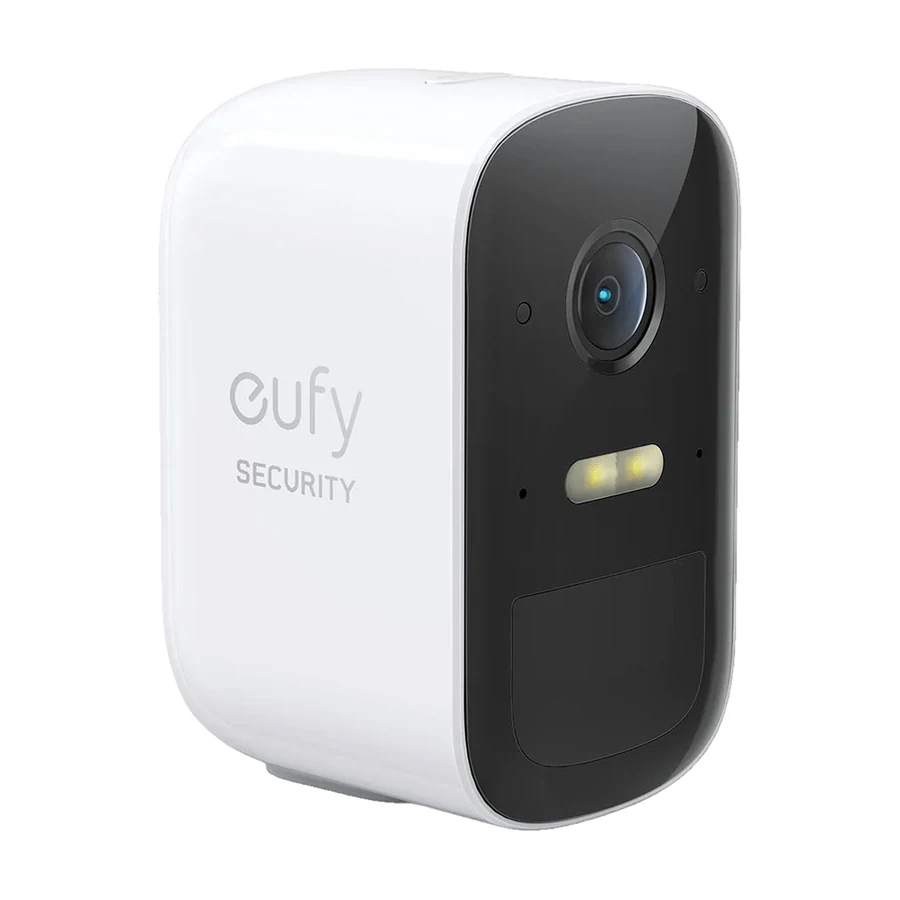
A wire-free 1080p camera rated for up to 180 days on a charge, with no monthly fee. It needs a eufy HomeBase 2, which stores the recordings locally. Cameras that run on Frigate have to be wired to power, so I use these battery cameras as extra coverage in the spots where I can't run power. I own four and three are up now. They are not connected to Frigate: I watch them in the eufy app on my phone, and that works well.
View on Amazon →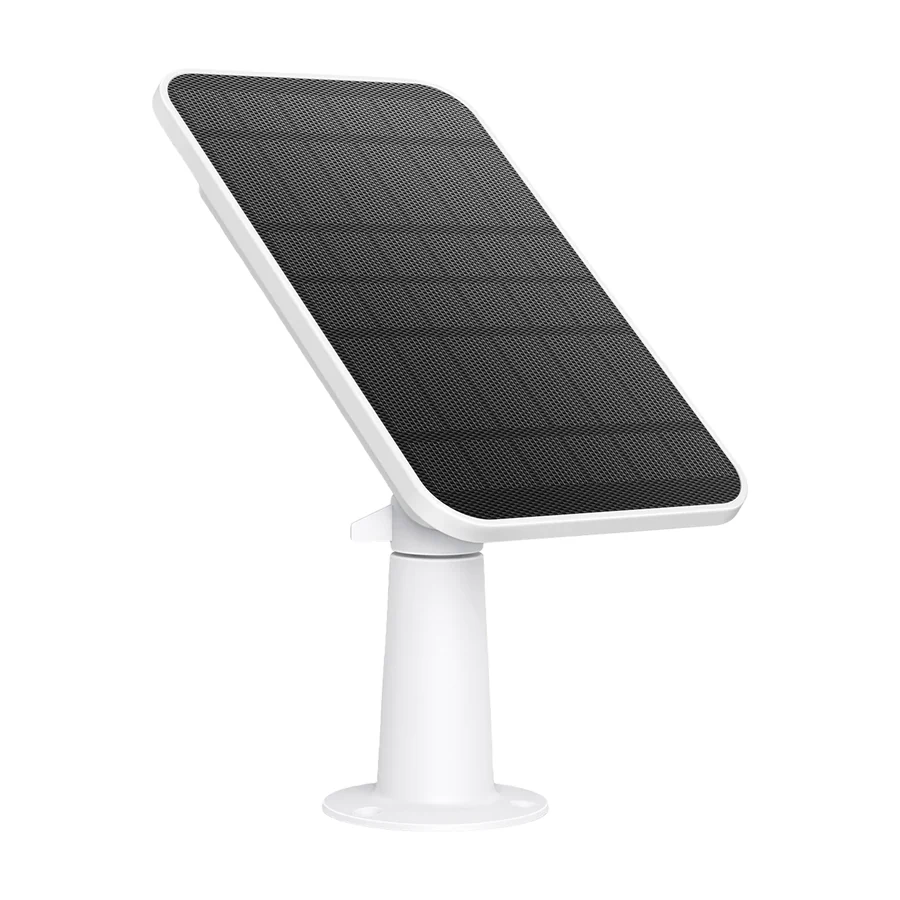
eufy's own solar panel for its battery cameras, with a 13 ft cable, an IP65 weatherproof case and a mount that swivels. A few hours of direct sun a day keeps a camera charged, so nobody has to take it down to recharge. My battery cameras all run on solar power, which suits the spots where I can't run a power wire. eufy recommends only its certified panels, so this is the official one. I have also run third-party solar panels on some of my cameras for a long time with no problems, and they work just as well.
View on Amazon →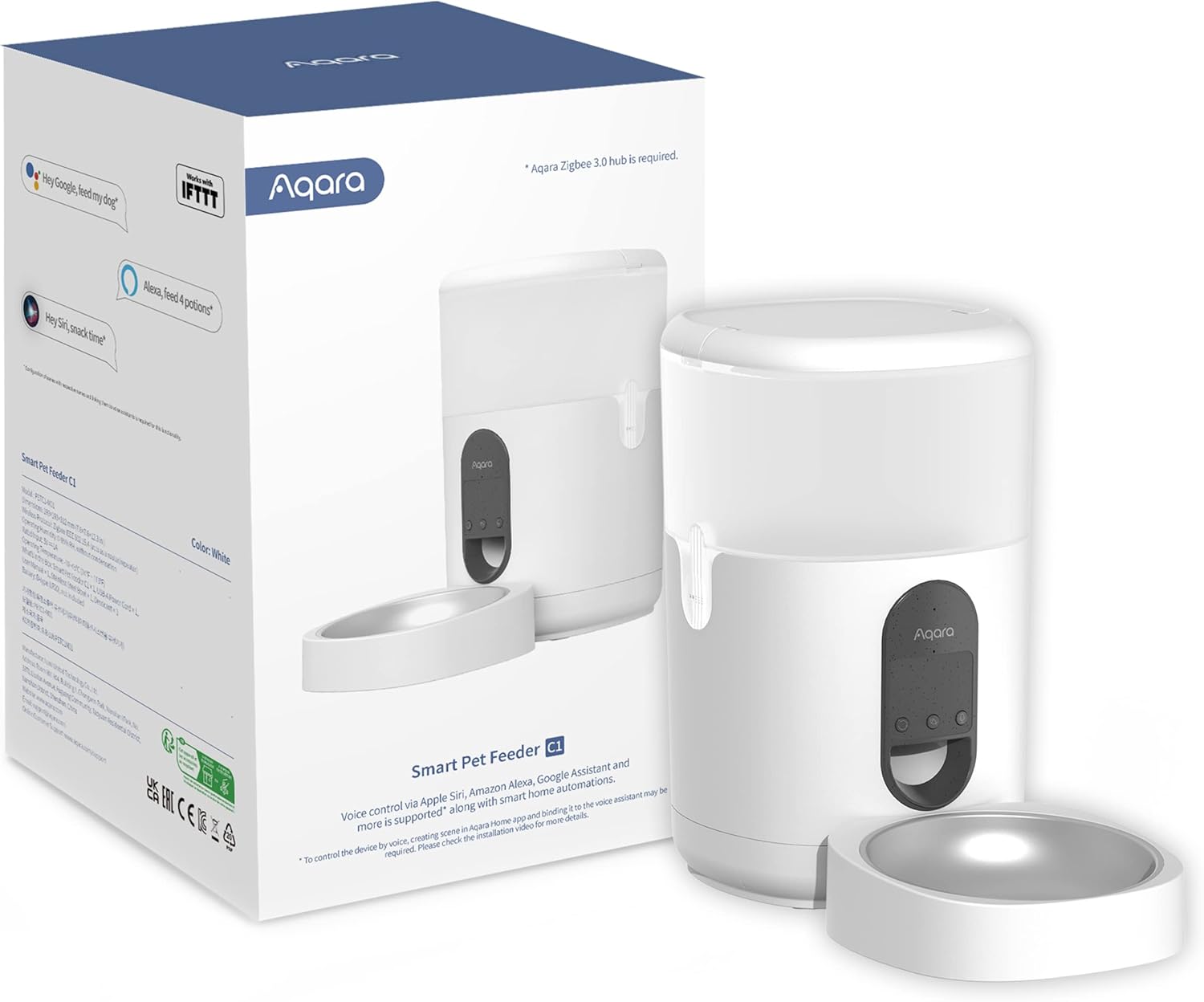
Automatic cat and dog feeder with app control and scheduling. Works with Google, Alexa, Siri, and SmartThings. Feeds the cats on schedule even when we're away. It is a Zigbee device, so it needs a Zigbee hub or coordinator, and because it is always plugged in it also acts as a router and strengthens my Zigbee mesh. Mine lives in the laundry room.
View on Amazon →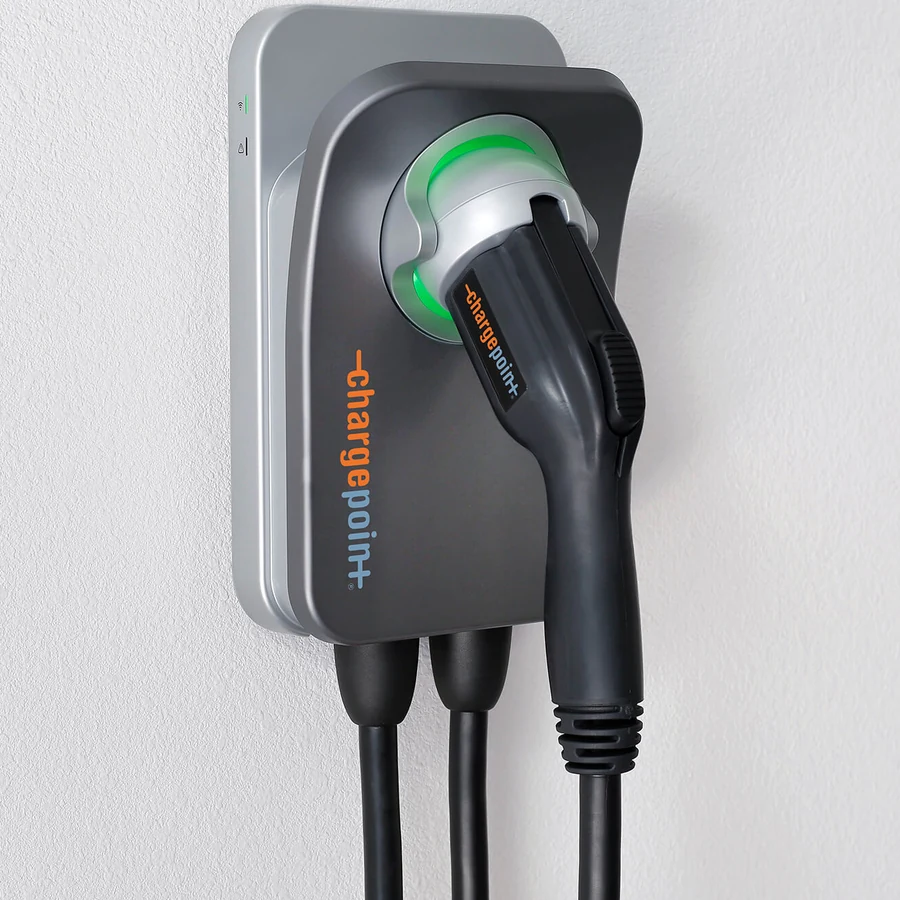
The hardwired Level 2 charger on the driveway side of my house. It is where I charge my Kia Soul EV at home. It connects to Wi-Fi and has an app, and the charging amps are adjustable so you can match it to your electrical panel.
View on Amazon →
A Wi-Fi infrared blaster. It lets Home Assistant control the TV and the receiver, which only understand an old-fashioned remote.
View on Amazon →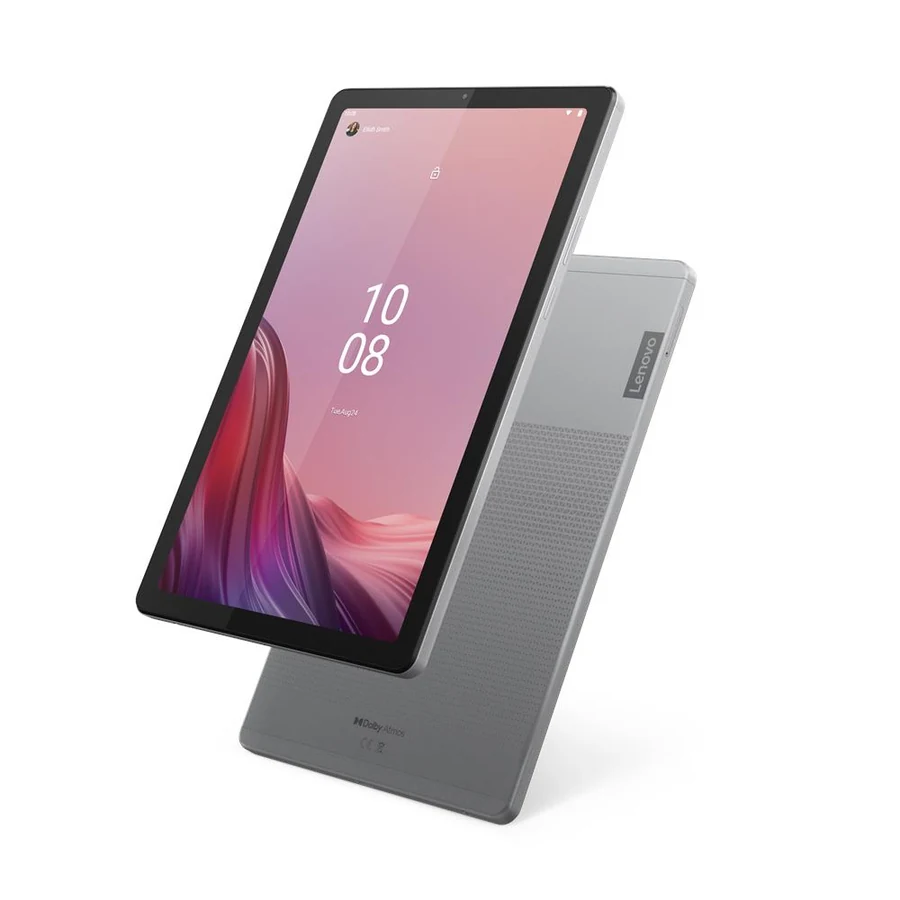
My kitchen dashboard runs on an old Android tablet, and any cheap one will do. If you're buying new, the Lenovo Tab M9 is an inexpensive pick that runs the Home Assistant dashboard fine.
View on Amazon →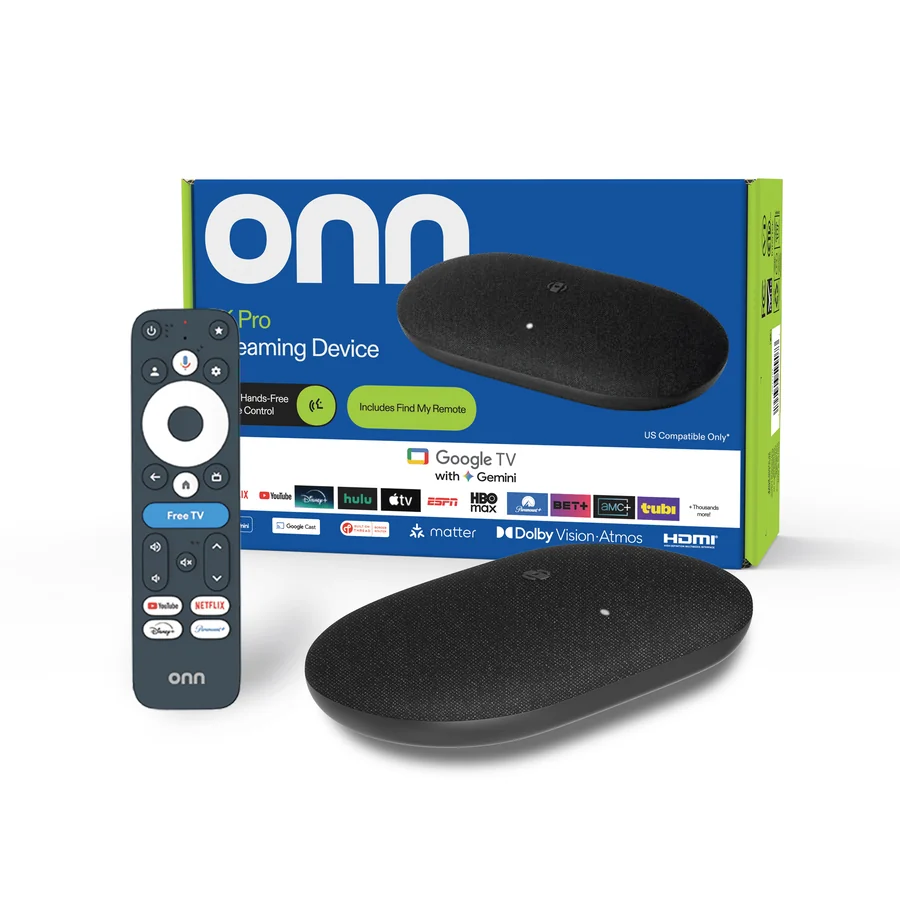
The Google TV streaming box on the den TV. It's sold at Walmart rather than Amazon.
See it at Walmart →
My 3D printer, up in the attic. A Kasa smart plug tracks its power use in Home Assistant. Bambu sells it direct.
See it at Bambu Lab →
The third-party build plate I print on. It's a double-sided smooth and textured PEI sheet, 257.5 x 257.5 mm, and it fits the Bambu X1, X1C, P1P and A1. It's very sticky, and I've had almost no failed prints since I bought mine on Amazon in July 2024.
View on Amazon →
The Ray-Ban Meta smart glasses I film with. They have a camera, open-ear speakers and Meta AI built in, so I can shoot hands-free, like the printer clips in my Voice PE review. Gen 3 Wayfarer shown, in matte black with clear lenses.
View on Amazon →
The laptop that runs the local AI brain in my Voice PE review, so no cloud service answers the speaker. It is a 16-inch M5 Pro with 48 GB of memory, and the Amazon listing I link includes AppleCare+.
View on Amazon →An Intel i9-12900K, an NVIDIA RTX 3060 12GB and 64 GB of RAM. It makes the speaking voice for my Home Assistant speakers and does my video editing and AI work. The full parts list, with links, is on my Everyday AI site.
See the full parts list →